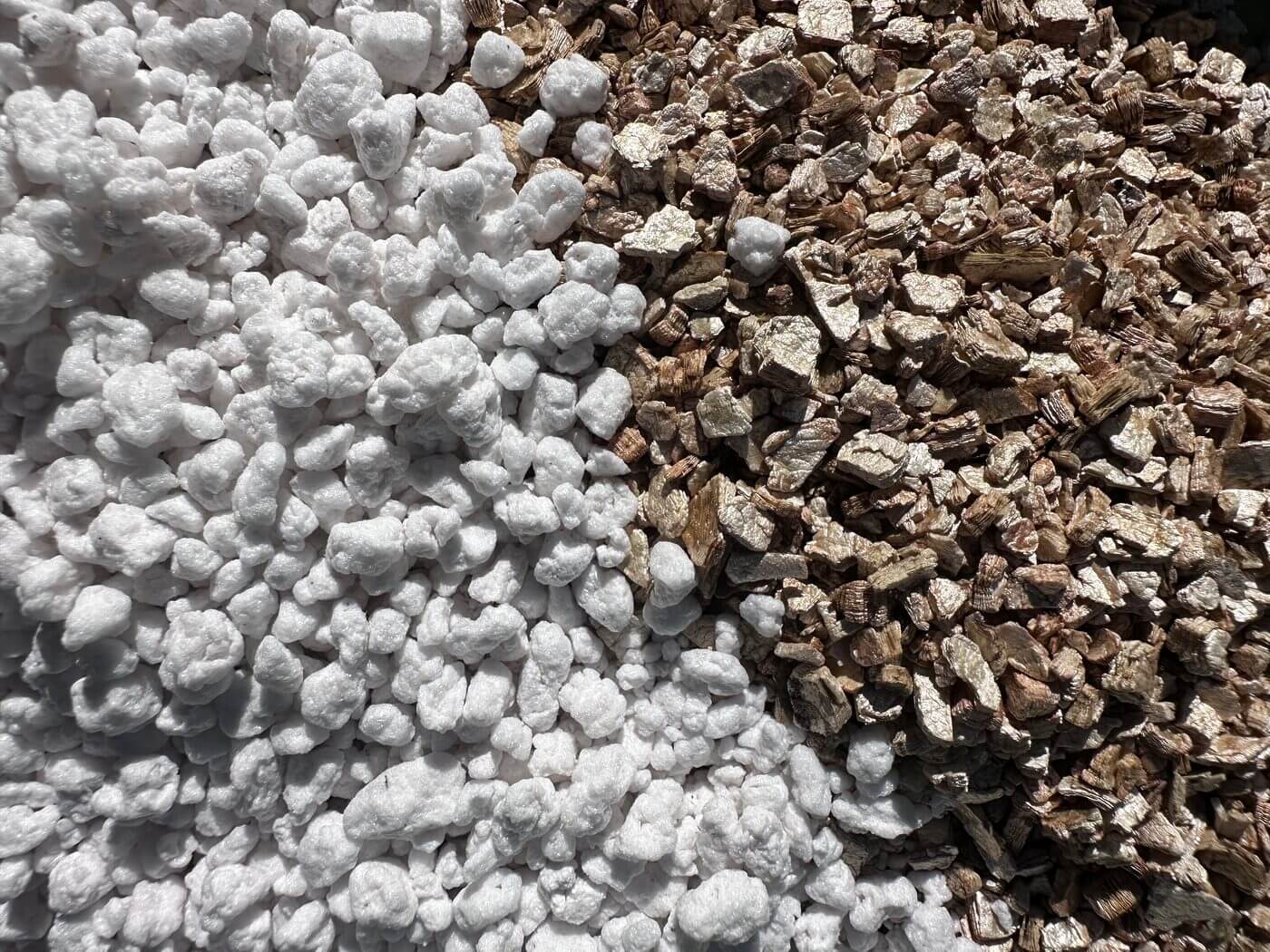


Not sure what pot size to use when repotting your plants?
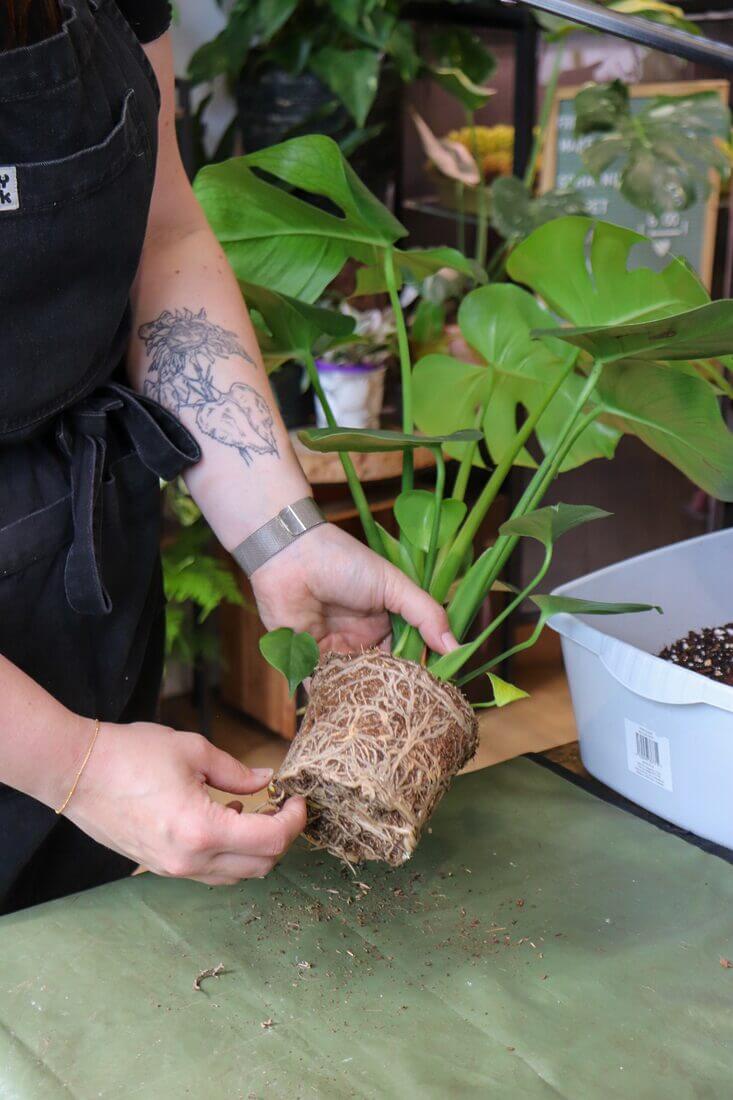
Repotting rule of thumb
- Increase pot size by 2 to 5 cm
- Avoid jumping too large
- Always use a pot with drainage
- Use fresh potting mix
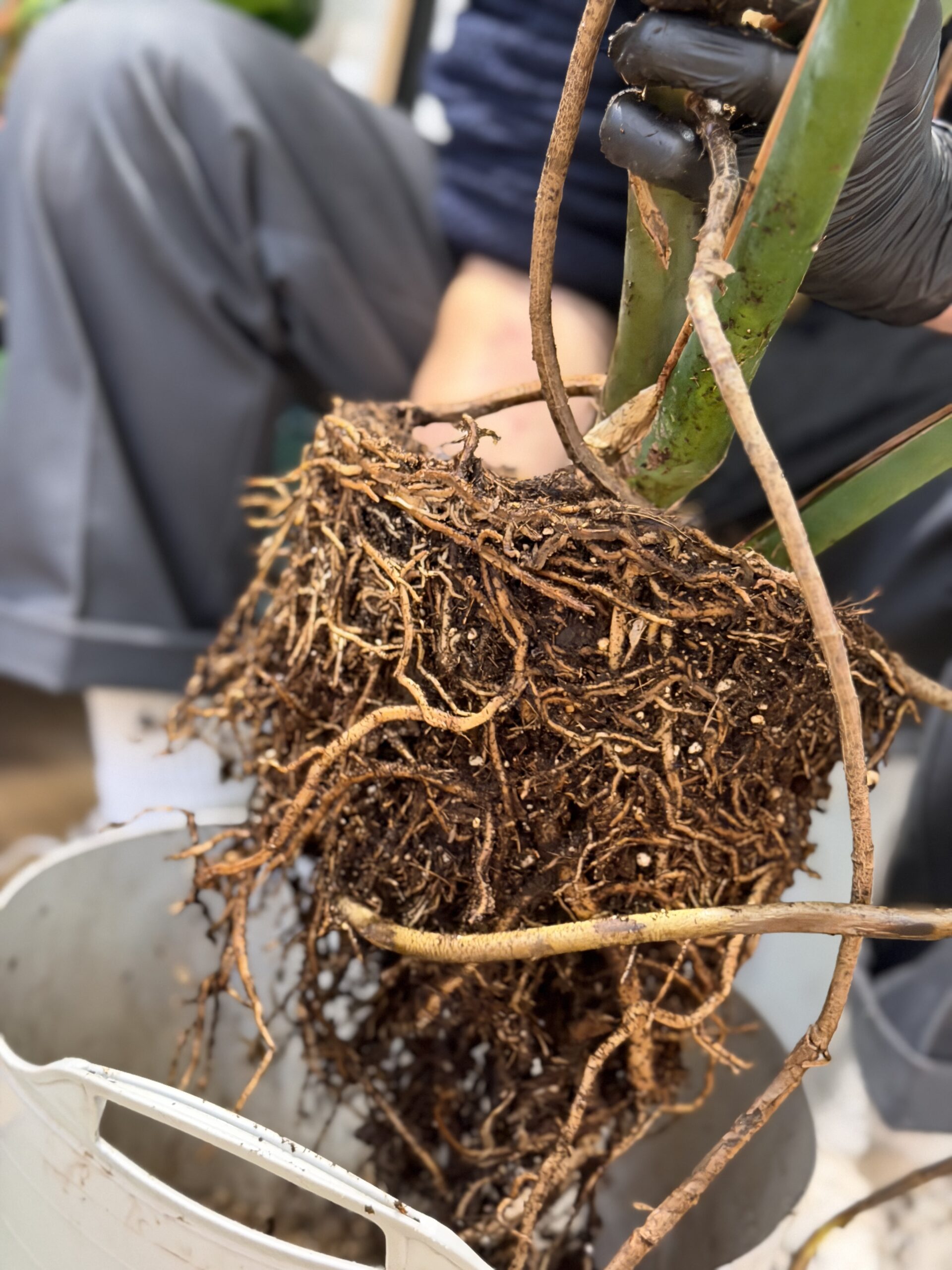
A simple rule is to go one size up, usually 2 to 5 cm wider than the current pot.
Choosing the right pot size is key to healthy root growth. Too small and your plant becomes root bound. Too large and you risk overwatering and root rot. This guide explains exactly how to choose the right pot size, avoid common mistakes and keep your plants thriving.
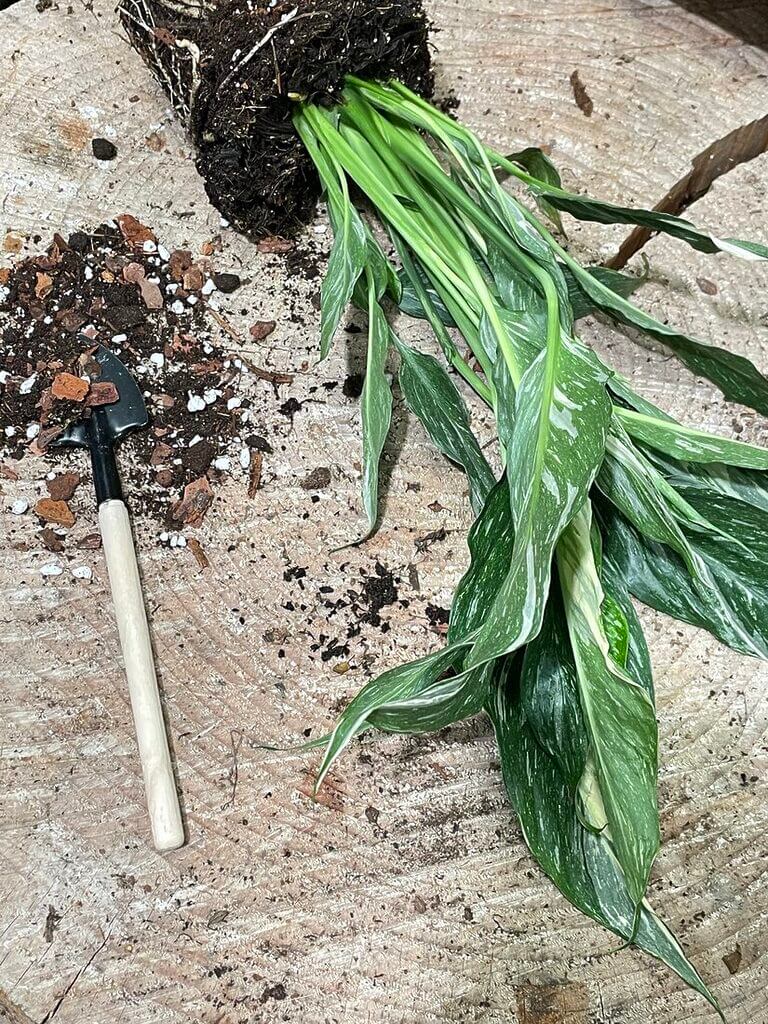
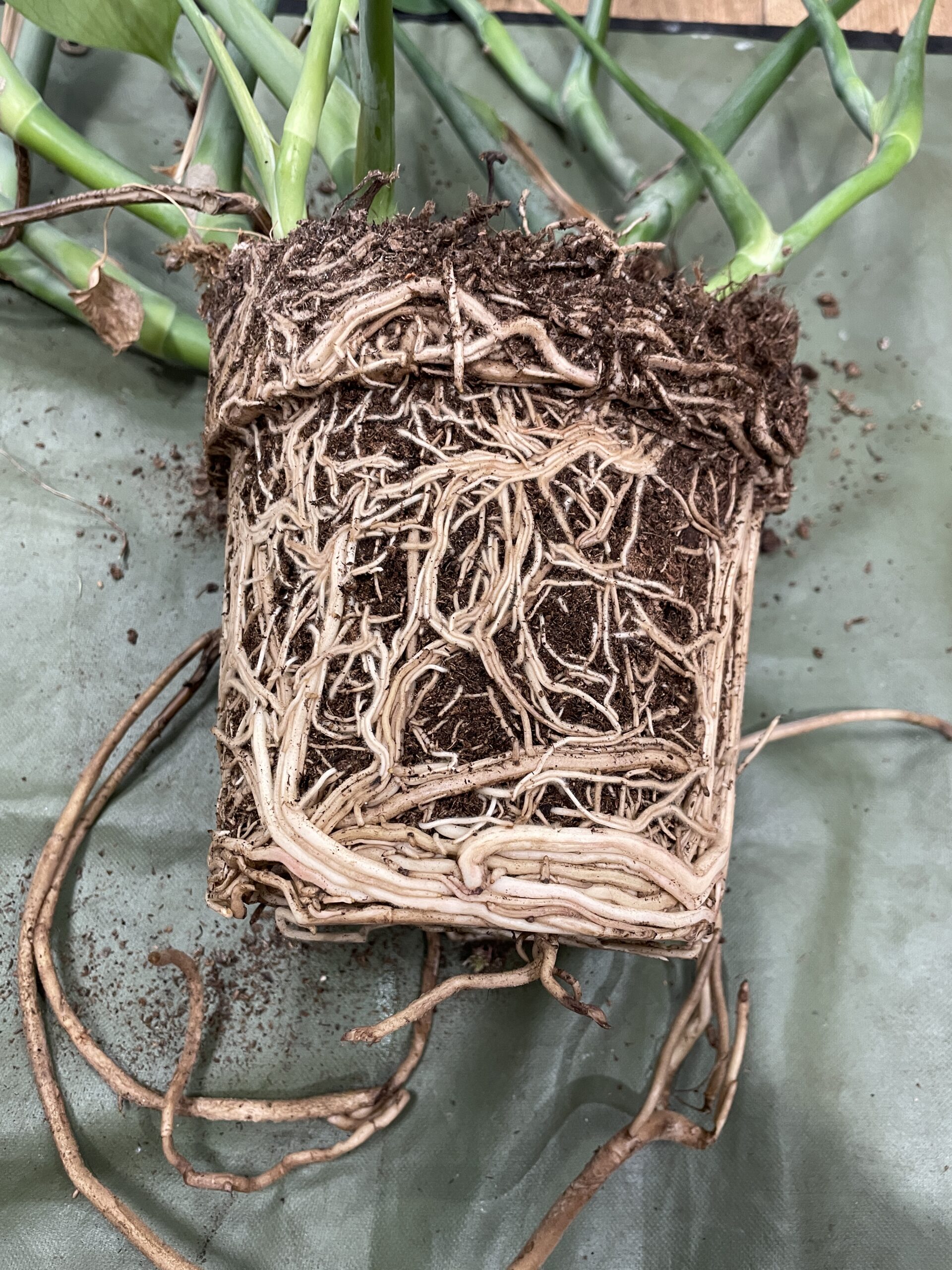
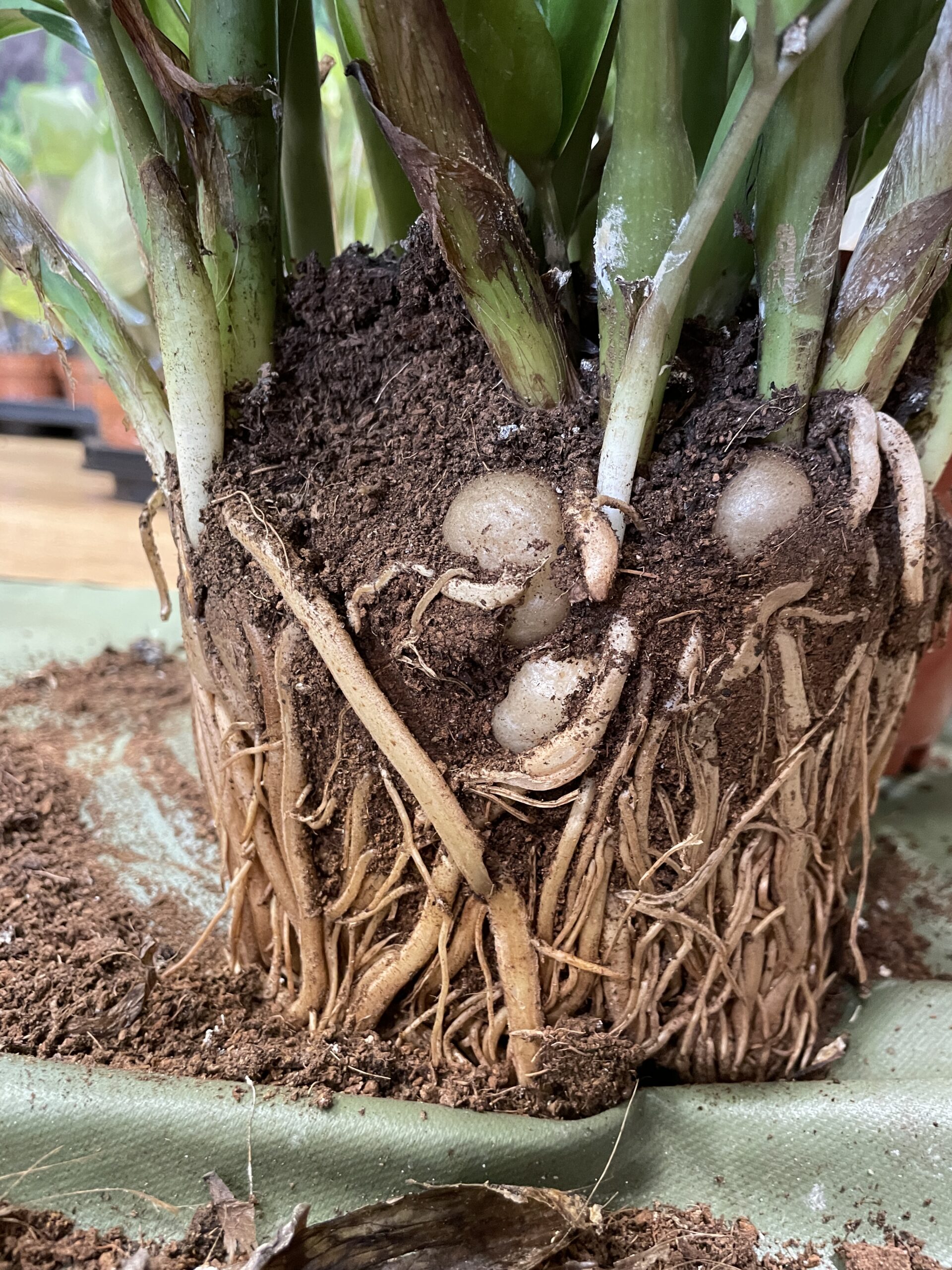
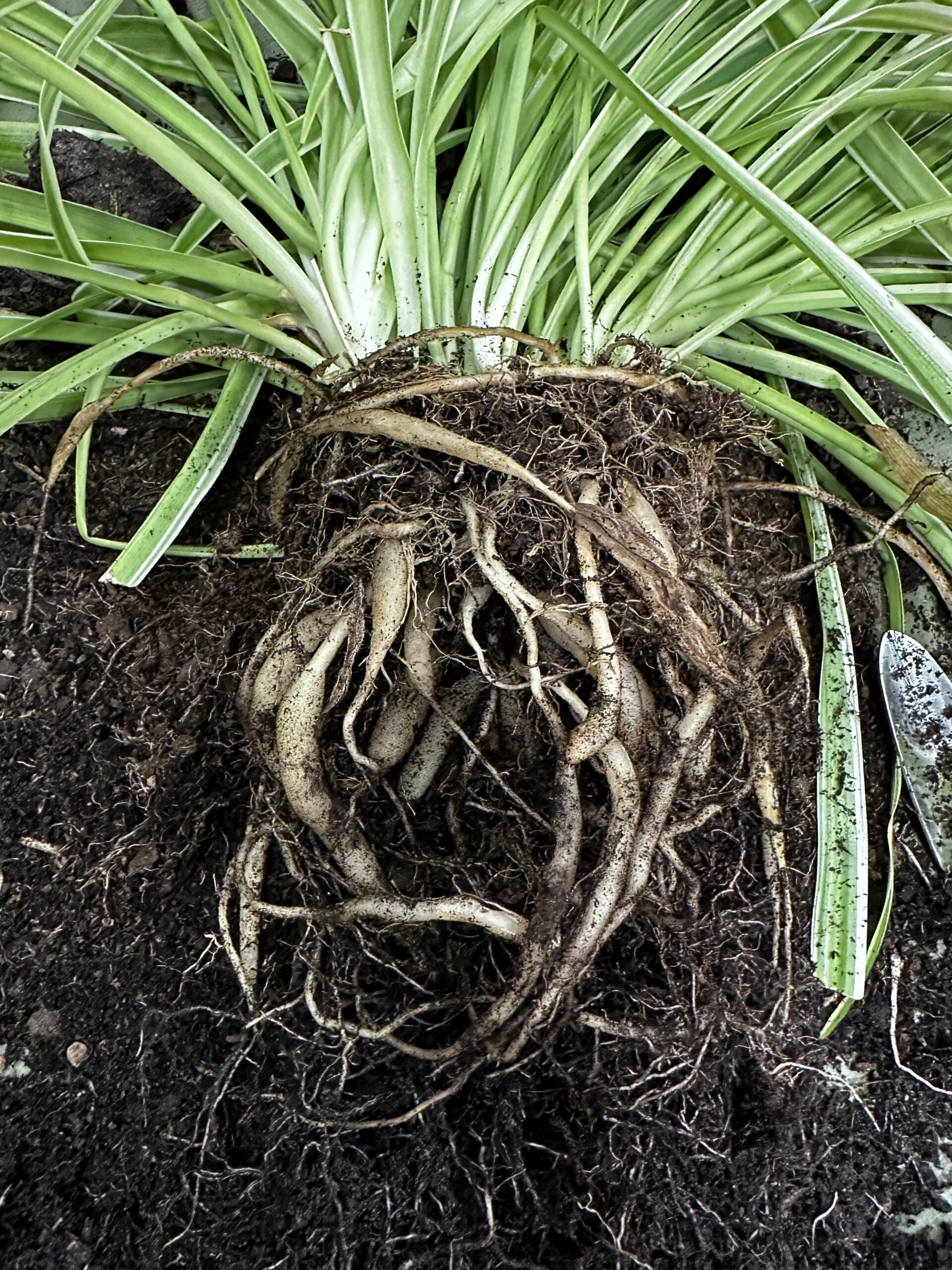
This plant is root bound and ready for repotting into a slightly larger pot.
What happens if the pot is too big
A pot that is too large holds excess moisture. The roots cannot absorb all the water, which can lead to:
- Root rot
- Slow growth
- Yellowing leaves
- Soil staying wet for too long – especially in UK indoor conditions
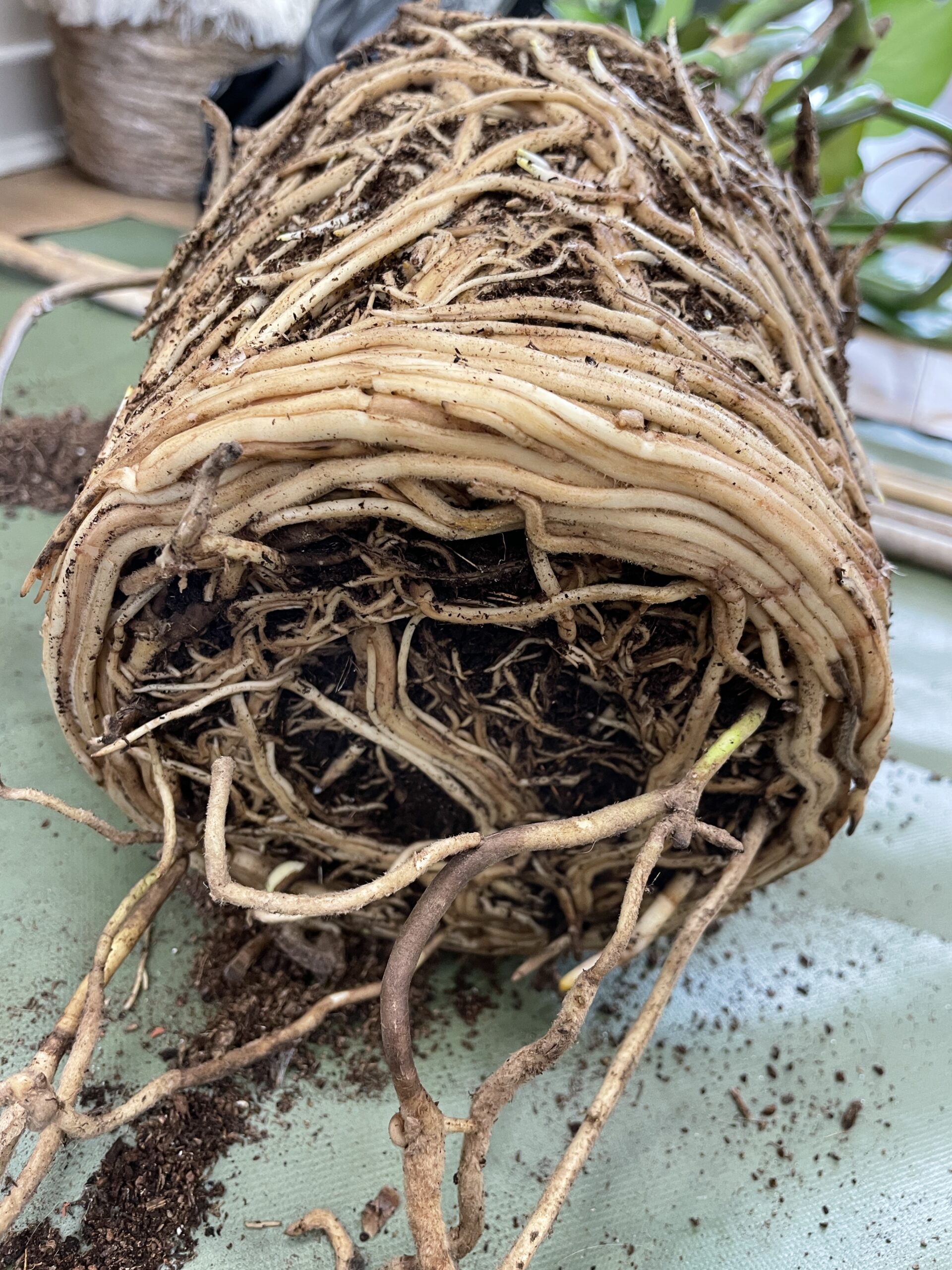
What happens if the pot is too big
If the pot is too small, your plant may become root bound. This means the roots have no space to grow and begin circling the pot.
Signs include:
- Roots growing out of drainage holes
- Soil drying out very quickl
- Stunted growth
- Leaves becoming smaller
When should you repot your plants
You should repot when:
- Roots are tightly packed or circling
- Water runs straight through the pot
- Growth has slowed
- The plant dries out very quickly
Spring and early summer are the best times to repot most houseplants, as this is when they are actively growing. But you can repot any time of the year if the plants need it.
How to repot a plant step by step
- Gently remove the plant from its pot
- Loosen the roots slightly
- Place in a new pot with fresh soil
- Fill gaps with potting mix
- Water lightly and allow to settle
- Using a high-quality potting mix helps improve drainage, airflow and moisture retention.
We also stock potting mixes suitable for different types of plants and offer a repotting service for your convenience. This service is available both in-store and offsite at your home or business in Aberdeen.
Highland Moss Repotting Expert Guide
Frequently asked questions about repotting plants
How often should I repot my plants
Most houseplants benefit from repotting every 1 to 2 years depending on growth.
Can I repot into a much larger pot
It is best to increase gradually. Moving to a much larger pot can lead to overwatering problems.
Do all plants need repotting
Not always. Slow-growing plants may stay in the same pot for longer.
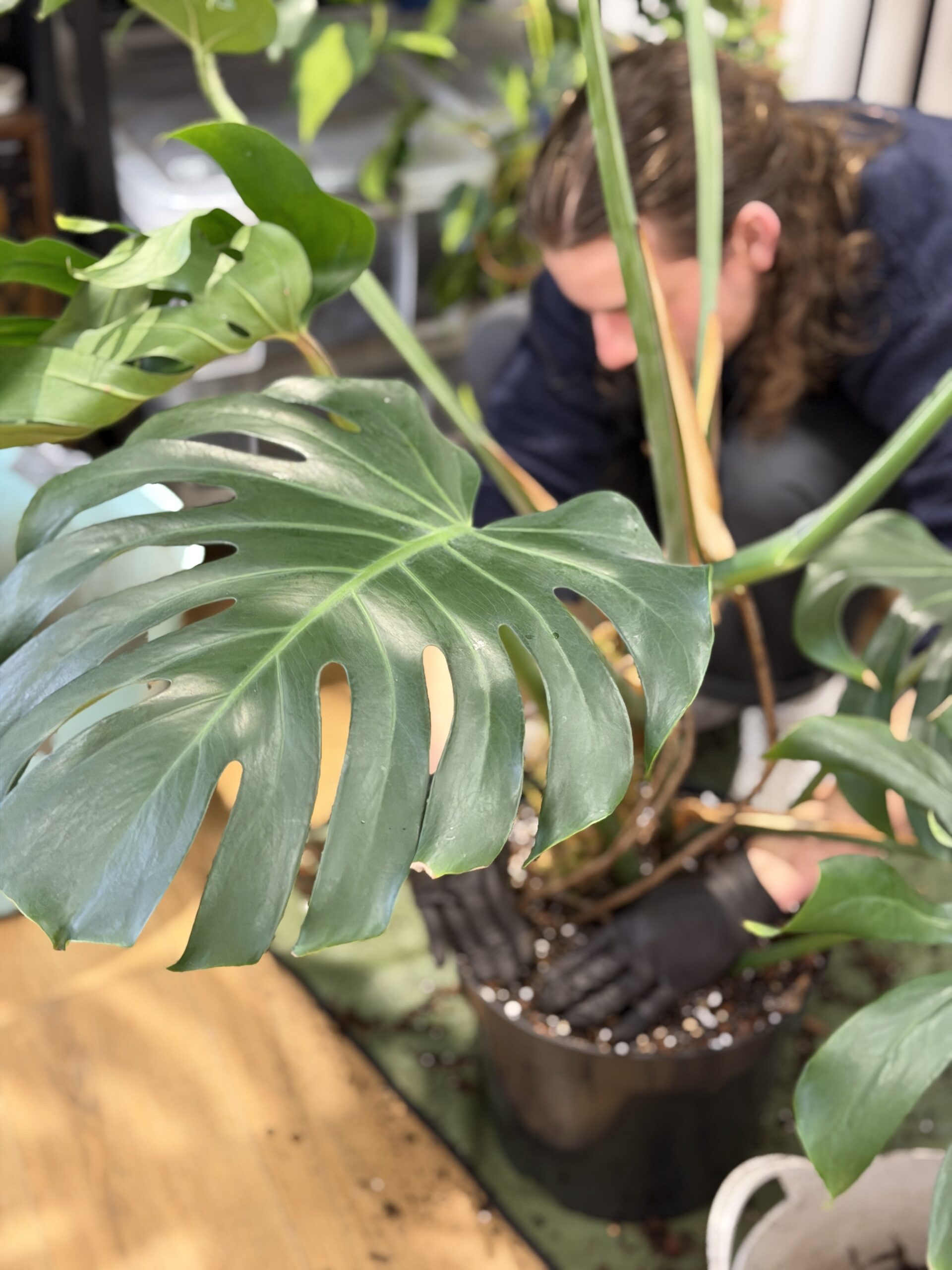
What If the Roots Are Small? Should I Only Change the Soil and Keep the Same Pot Size?
If your plant’s roots haven’t filled the current pot, or if they seem small or underdeveloped, you may not need to move to a larger pot. Instead, you can refresh the soil while keeping the same pot. Fresh soil provides new nutrients and improves drainage, both of which can encourage healthy root growth.
Make sure to:
- Remove any old, compacted soil gently.
- Trim off any dead or damaged roots.
- Repot with fresh, high-quality potting mix. For plants like Monstera or Philodendron, consider using an aroid mix, which is available on our website.
For Monstera, Philodendron, Syngonium, and other aroid plants, adding a moss pole during repotting is always a good idea. Moss poles help these plants mimic their natural growth habits, encourage bigger leaves, and provide support for climbing. They also help in how to choose the right pot size for repotting plants more effectively.
Reuse Nursery Pots and Save Waste

When Should You Choose a Smaller Pot When Repotting?
Although rare, there are situations where downsizing to a smaller pot is beneficial. This is typically necessary if:
- The plant’s root system has significantly reduced, such as after root rot treatment or pest issues.
- The plant has been over-potted and struggles to absorb water effectively due to excess soil.
When downsizing:
- Choose a pot just large enough to comfortably fit the healthy roots.
- Ensure the new pot has adequate drainage.
- Use fresh soil to replenish nutrients.
Additional Tips for Repotting Success
- Inspect the Roots: Check for signs of root rot, pests, or overcrowding. Healthy roots are white or light tan and firm.
- Water After Repotting: Water the plant lightly after repotting to help settle the soil. Avoid overwatering, as the roots need time to adjust.
- Provide Stability: Tall or top-heavy plants may need staking after repotting to prevent them from tipping over in their new pot.
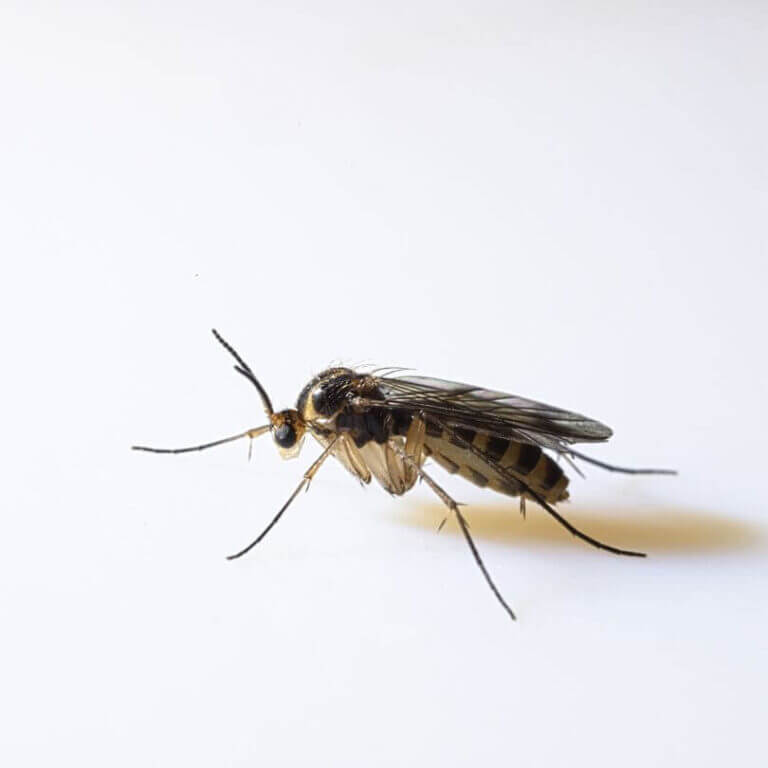
If you spot something in the pot while repotting, it’s worth checking our article on beneficial insects in soil. This resource can help you identify whether the insects you’ve found are helpful or harmful, so you can take appropriate action.
If you’re concerned about overwatering your plant, we also have an article explaining how to spot an overwatered plant and how to save it. This can be an invaluable resource for recognising symptoms early and taking the right steps to restore your plant’s health.
Conclusion
Remember, every plant is unique. Factors like growth habits, root development, and care conditions play a role in determining the right pot size. If you’re unsure, consult our plant care guides or use the QR code provided with your Highland Moss purchase to access expert advice tailored to your plant. We hope our article: Repotting FAQs: Choosing the Right Pot Size for Your Plants, help you with your plant care. It’s crucial to know how to choose the right pot size for repotting plants.
For additional tools like decorative planters, moss poles, or premium potting mixes, explore our shop to give your plants the perfect home!