

Discover how springtails support healthy soil, reduce mould, and help keep terrariums naturally balanced.
Springtails may be tiny, but they are one of nature’s most useful little clean-up crews. These small soil-dwelling creatures help break down organic matter, support healthy soil, and play an important role in terrariums, vivariums, compost, gardens, and natural ecosystems.
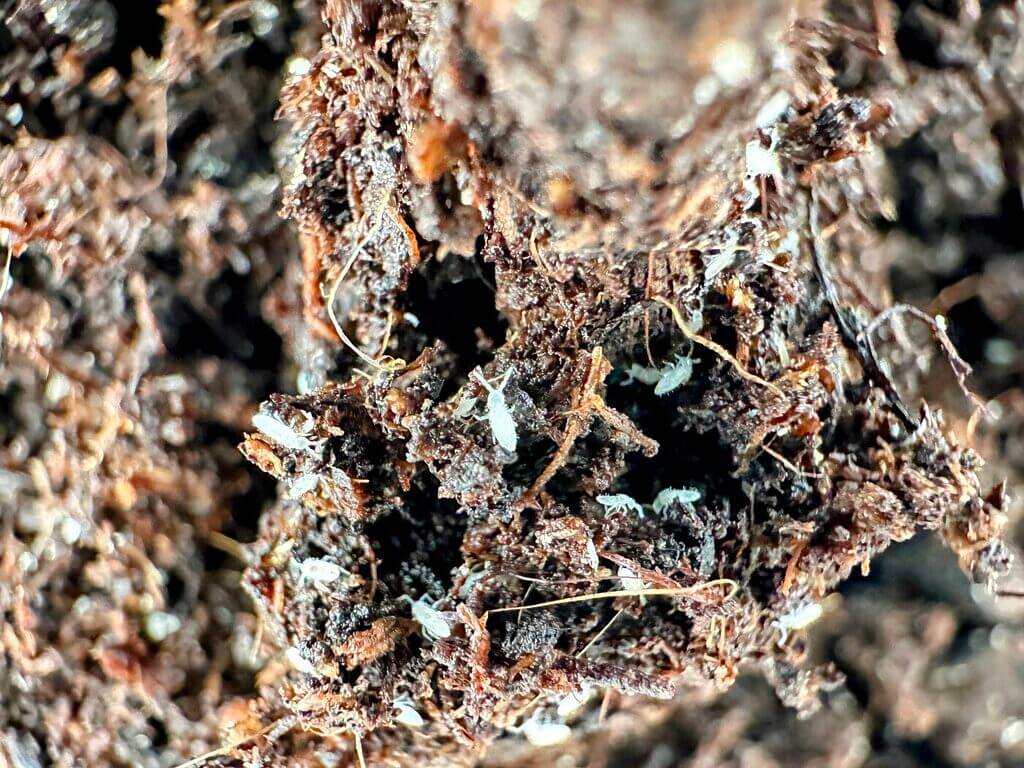
If you have ever spotted tiny white, grey, or dark specks moving through damp soil, moss, leaf litter, or a closed terrarium, you may have already met springtails. They are often overlooked because of their size, but once you understand what they do, it is easy to see why plant lovers and terrarium keepers value them so much.
.
What Are Springtails?
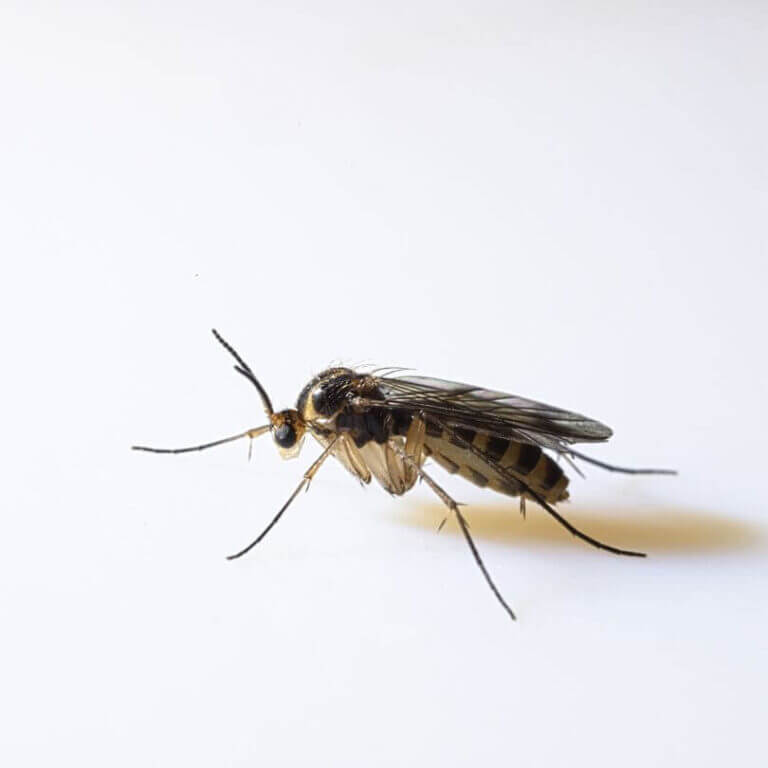
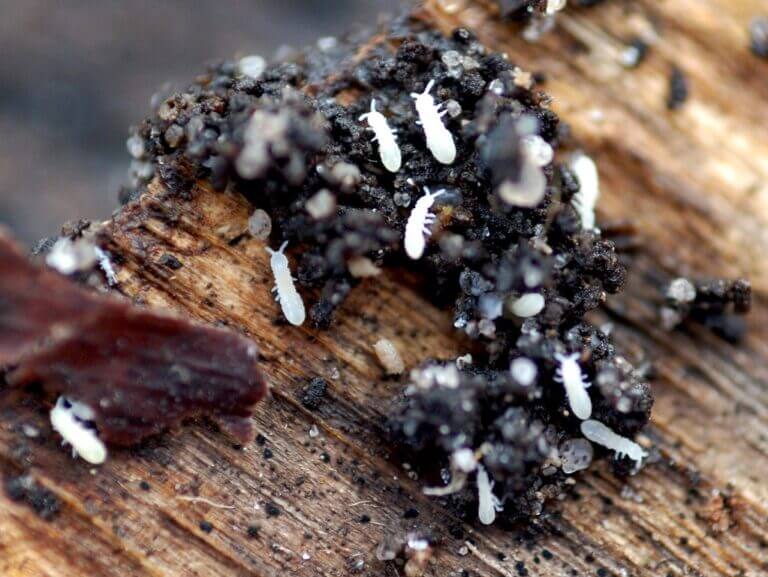
Springtails are tiny wingless arthropods from the group Collembola. They are usually only a few millimetres long and live in moist places such as soil, moss, leaf litter, bark, compost, and decaying wood.
Their name comes from a special forked structure called a furcula. When disturbed, many springtails can release this spring-like part of their body and jump away from danger. Because they are so small, their jump is usually tiny to us, but for a springtail it is an impressive escape move.
Springtails are not harmful to people, pets, plants, terrariums, or homes. In the right environment, they are extremely beneficial.
Why Are Springtails Important?
Springtails play an important role in the natural world. They feed on decaying plant matter, fungi, algae, bacteria, and other tiny organic particles. As they eat, they help break down waste and return nutrients to the soil.
This makes springtails an important part of nutrient cycling. In simple terms, they help turn dead leaves, old plant material, and natural waste into something useful again. This supports plants, soil microbes, fungi, and many other organisms within the ecosystem.
They are also part of the food chain. Many tiny predators, including mites, beetles, spiders, and other invertebrates, feed on springtails. This makes them a small but valuable part of a balanced natural environment.
Springtails as a Terrarium Clean-Up Crew
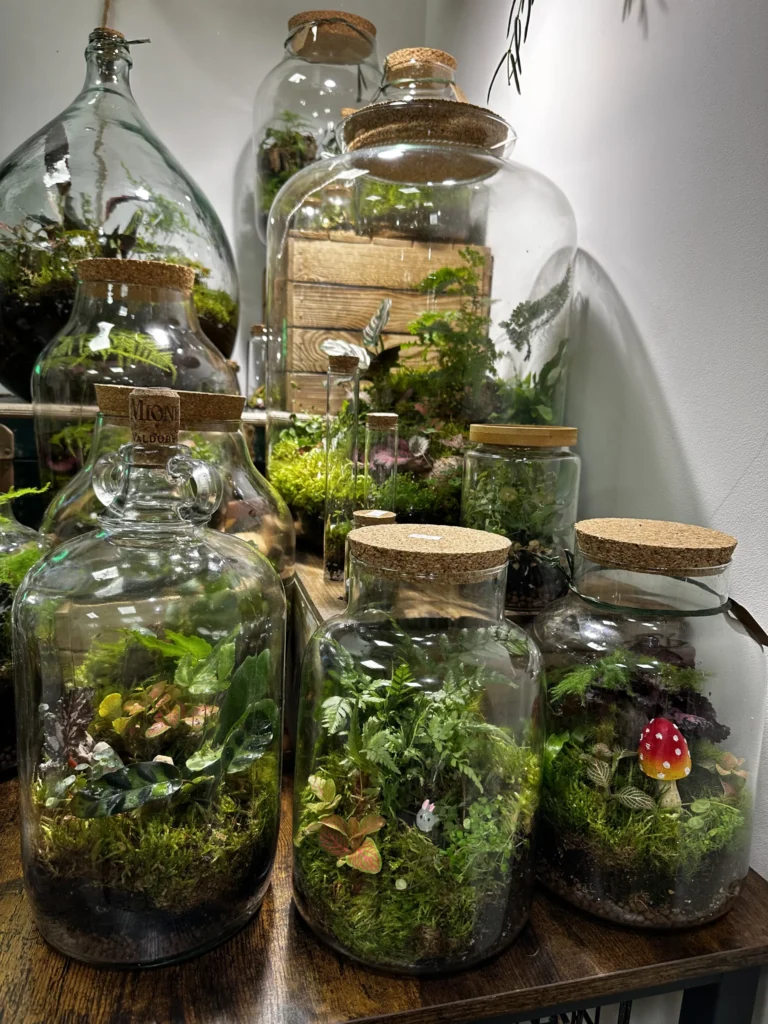
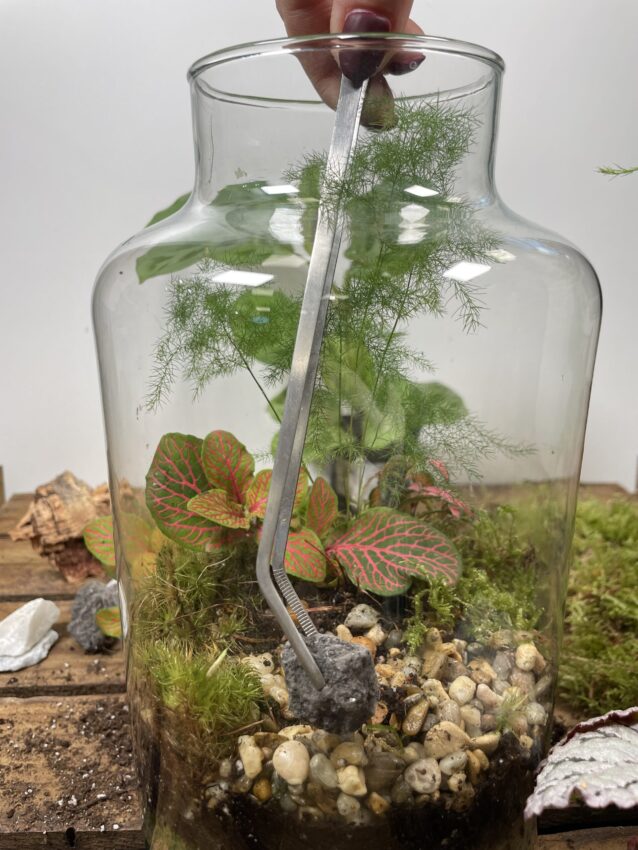
Springtails are especially useful in terrariums and vivariums. In a closed or humid setup, mould can sometimes appear on wood, moss, leaf litter, or leftover organic matter. Springtails help by feeding on mould, fungi, and decaying material before it builds up too much.
This is why they are often called a terrarium clean-up crew. They help keep the environment fresher, more balanced, and more natural. They are particularly useful in planted terrariums, bioactive vivariums, moss bowls, and setups with high humidity.
Springtails will not fix every terrarium problem on their own. Good ventilation, correct watering, suitable substrate, and healthy plants are still important. However, adding springtails is one of the easiest ways to support a more stable miniature ecosystem.
How Springtails Benefit Soil Health
Healthy soil is full of life, and springtails are one of the many tiny creatures that help keep it active. As they move through the soil, they help break down organic material and support the soil food web.
Their feeding activity helps release nutrients back into the soil. These nutrients can then be used by plants and beneficial microbes. Springtails also graze on fungi and bacteria, helping to keep the soil microbiome more balanced.
In natural soil, compost, and leaf litter, springtails help create a healthier environment for roots and microorganisms. They are a sign that the soil is moist, active, and rich in organic life.
Do Springtails Eat Plant Roots?
Springtails do not usually damage healthy plant roots. They are mainly interested in mould, fungi, algae, bacteria, and decaying organic matter. This is why they are considered beneficial rather than harmful.
If springtails are present in a houseplant pot, it usually means the soil is staying moist and contains organic material. This is not always a problem, but if there are huge numbers of them in a normal houseplant pot, it may be a sign that the soil is too wet. In that case, it is worth checking your watering routine.
Springtails and Mould Control
One of the biggest reasons terrarium keepers love springtails is their ability to help manage mould. They naturally feed on fungal growth, which can help stop mould from spreading across the terrarium.
This is especially helpful in new terrariums, where fresh wood, moss, soil, and plant material may cause a short burst of mould while the ecosystem settles. Springtails help clean up this excess growth and support a healthier balance over time.
They are not a replacement for good care, but they are a brilliant natural helper.
How to Keep Springtails Happy
Springtails are easy to care for as long as their environment stays suitable. They prefer moisture, organic material, and somewhere to hide.
- Keep the environment lightly moist, but not waterlogged.
- Add leaf litter, moss, bark, or natural organic material.
- Avoid chemical sprays or harsh treatments in the terrarium.
- Do not let the setup dry out completely.
- Give them time to settle and multiply naturally.
In terrariums, springtails often disappear into the soil and moss, so you may not always see them. That does not mean they are gone. They are usually working quietly in the background.
Can You Add Springtails to Houseplants?
Springtails can live in houseplant soil, especially if the potting mix stays moist. They are not harmful, but they are usually most useful in terrariums, vivariums, moss setups, and bioactive displays where humidity is higher and organic material is present.
For regular houseplants, a few springtails are nothing to worry about. However, if you notice large numbers on the surface of the soil, check whether the plant is being overwatered. Many houseplants prefer the top layer of soil to dry slightly between watering.
Fascinating Facts About Springtails
- Springtails are among the most abundant soil organisms on Earth.
- Many species are only a few millimetres long.
- They can jump using a small spring-like structure called a furcula.
- They are found in soil, moss, compost, bark, leaf litter, and decaying wood.
- They help break down organic matter and recycle nutrients.
- They are popular in terrariums because they help manage mould.
- They are harmless to people, pets, and healthy plants.
Are Springtails a Sign of a Healthy Ecosystem?
In many cases, yes. Springtails are often found in moist, living soil with plenty of organic material. Their presence can show that the soil is active and full of microscopic life.
They are sometimes used by scientists as indicators of soil and environmental health because they are sensitive to changes in moisture, pollution, and soil conditions. A healthy springtail population can be one sign of a balanced soil ecosystem.
Should You Add Springtails to a Terrarium?
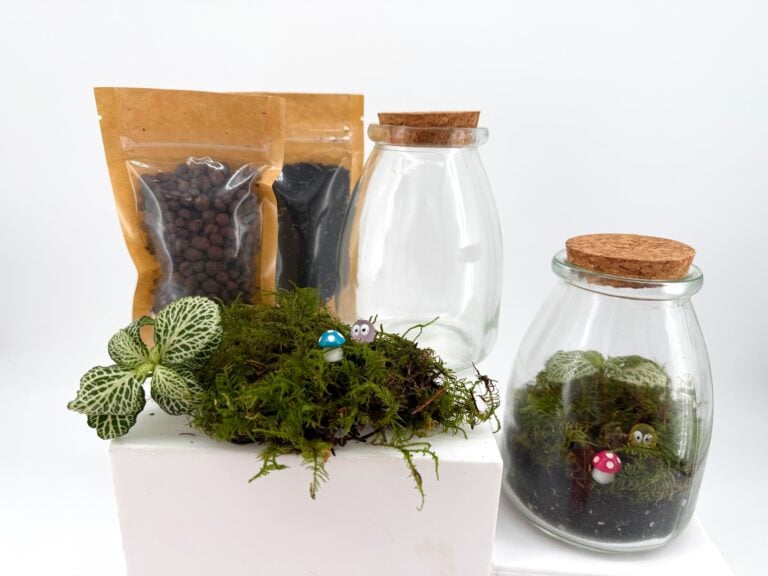
If you are making a closed terrarium, planted terrarium, moss terrarium, or bioactive vivarium, springtails are highly recommended. They help reduce mould, recycle waste, and support a more natural environment.
They are especially useful in setups with moss, wood, leaf litter, and tropical plants. Once introduced, they usually settle into the substrate and begin working as part of the terrarium’s clean-up crew.
At Highland Moss, we use and supply live springtails for terrariums, moss bowls, vivariums, and bioactive setups. We ship springtails across the UK, making it easy to add this natural clean-up crew to your own miniature ecosystem at home.
Springtails FAQs
Are springtails harmful?
No, springtails are harmless to people, pets, plants, and terrariums. They do not bite, sting, or damage healthy plants.
Do springtails get rid of mould?
Springtails help manage mould by feeding on fungi and decaying organic matter. They can reduce mould growth in terrariums, but good airflow and careful watering are still important.
Can springtails escape from a terrarium?
Springtails prefer damp, humid spaces. If they leave a terrarium, they usually do not survive for long in a dry room. They are much happier staying in the moist substrate.
What do springtails eat?
Springtails feed on mould, fungi, algae, bacteria, decaying leaves, and other tiny organic particles. In terrariums, this makes them very useful for breaking down waste.
Do I need springtails in every terrarium?
You do not have to use them, but they are very helpful, especially in closed terrariums and humid setups. They make the terrarium easier to maintain and help create a more balanced environment.
Can I buy springtails in the UK?
Yes. Highland Moss supplies live springtails for terrariums, vivariums, moss bowls, and bioactive setups, with shipping available across the UK. Click here to purchase springtails.
Final Thoughts
Springtails may be tiny, but their benefits are huge. They help break down organic matter, support healthy soil, manage mould, and keep terrariums more balanced.
Whether you are building a closed terrarium, caring for a bioactive vivarium, improving a moss bowl, or simply learning more about soil life, springtails are worth appreciating. They are one of nature’s smallest helpers, quietly working behind the scenes to keep ecosystems clean, healthy, and full of life.