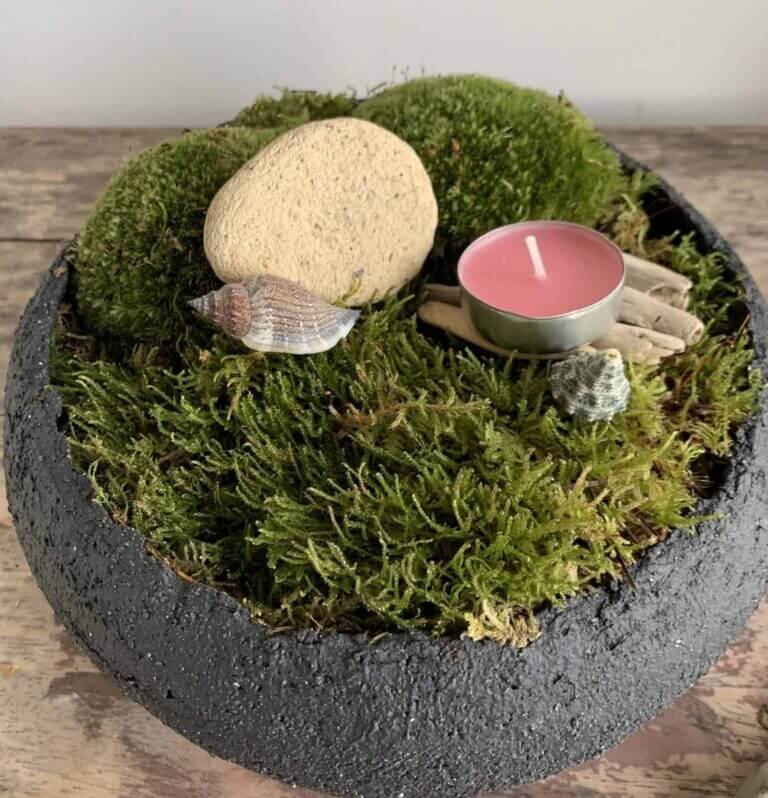


How to Care for Live Moss Indoors and Outdoors
Live moss is a beautiful way to create a natural woodland feel in terrariums, plant displays, bonsai bowls, shaded borders, pathways and Japanese style moss gardens. Unlike most plants, moss does not have true roots. Instead, it uses tiny structures called rhizoids to hold itself in place, while absorbing moisture through its surface.
This means moss does not need deep soil, heavy feeding or traditional plant care. It does need the right balance of moisture, light, airflow and patience. Once established, moss can be surprisingly resilient, but it may dry, brown or pause growth during hot or dry spells. In many cases, this does not mean it is dead. A light misting or a return to damp weather can help it freshen up again.
Moss Care at a Glance
| Light | Bright indirect light indoors. Shade, dappled shade or partial shade outdoors. |
| Water | Mist with rainwater, distilled water or cooled boiled water where possible. |
| Humidity | Most indoor moss enjoys higher humidity, especially in terrariums. |
| Airflow | Avoid stale, constantly wet conditions. Ventilate closed terrariums if needed. |
| Feeding | No fertiliser needed. |
| Maintenance | Remove fallen leaves, weeds and debris from the top surface, especially outdoors. |
Before Using Your Moss
- Open your moss as soon as possible after delivery.
- Keep it somewhere cool, shaded and airy until you are ready to use it.
- Remove any loose leaves, pine needles or natural forest debris by hand.
- If needed, lightly rinse with rainwater, distilled water or cooled boiled water.
- Gently squeeze away excess water before planting.
- Avoid soaking moss for long periods unless it has arrived very dry.
- Moss should feel fresh and lightly moist, not dripping wet or waterlogged.
Best Water for Moss
Rainwater is ideal. Distilled water, reverse osmosis water or cooled boiled water can also be used, especially for indoor terrariums and delicate moss displays. Tap water may be fine in some areas, but hard water can sometimes leave mineral marks or cause browning over time.
Use a mister or spray bottle for most indoor moss care. Outdoors, light watering is usually better than heavy soaking, especially while the moss is settling in. The mist setting on your hose is ideal.
Best Light for Moss
Most live moss prefers bright indirect light, dappled shade or partial shade. Avoid strong direct sun indoors, especially through glass, as this can overheat and dry moss quickly.
For terrariums, place the container near a bright window but out of harsh direct sun. Outdoors, choose areas that stay naturally cool and slightly damp, such as shaded borders, tree bases, rocks, pathways and north or east facing garden areas.
Which Moss Should I Use?
| Moss type | Best for | Grows nicely with |
|---|---|---|
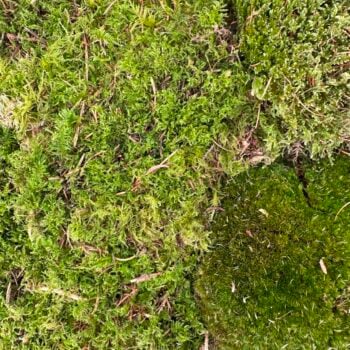
| Carpet Moss | Terrariums, soil toppers, moss lawns, borders, pathways, tree bases and Japanese style gardens. | Haircap Moss, Cushion Moss, Feather Moss and Mood Moss. |
| Haircap Moss | Woodland displays and outdoor gardens where moisture is consistently high. | Sphagnum Moss |
| Cushion Moss | Terrariums, moss bowls, fairy gardens, bonsai displays and sculptural mounds. | Carpet Moss, Mood Moss and Haircap Moss. |
| Mood Moss | Terrariums, moss gardens, bowls and natural woodland displays. | Carpet Moss, Feather Moss and Cushion Moss. |
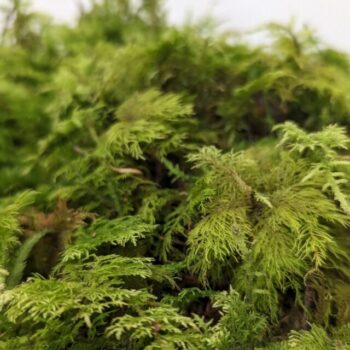
| Feather Moss | Woodland style terrariums, borders, tree bases, rocks, logs and natural pathways. | Carpet Moss, Haircap Moss and Mood Moss. |
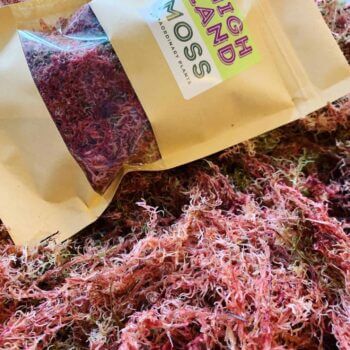
| Live Sphagnum Moss | Propagation, moss poles, carnivorous plant displays, bog gardens and high humidity setups. | Carnivorous plants, bog plants and moisture loving terrarium plants. |
| Reindeer Moss | Decorative displays, air plant arrangements and craft projects. | Lay on top of carpet mosses. |
Using Moss Indoors
As a Soil Topper
Live moss can be used as a soil topper for houseplants, bonsai, moss bowls and decorative plant displays. It gives a soft, natural finish and helps create a woodland look.
- Place moss on top of damp soil, bark, akadama or terrarium substrate.
- Press it down gently so the underside touches the surface.
- Do not bury moss under soil.
- Mist lightly after placing.
- Allow some airflow around the plant to reduce the chance of mould.
Best choices: Carpet Moss, Cushion Moss and Feather Moss
In Terrariums
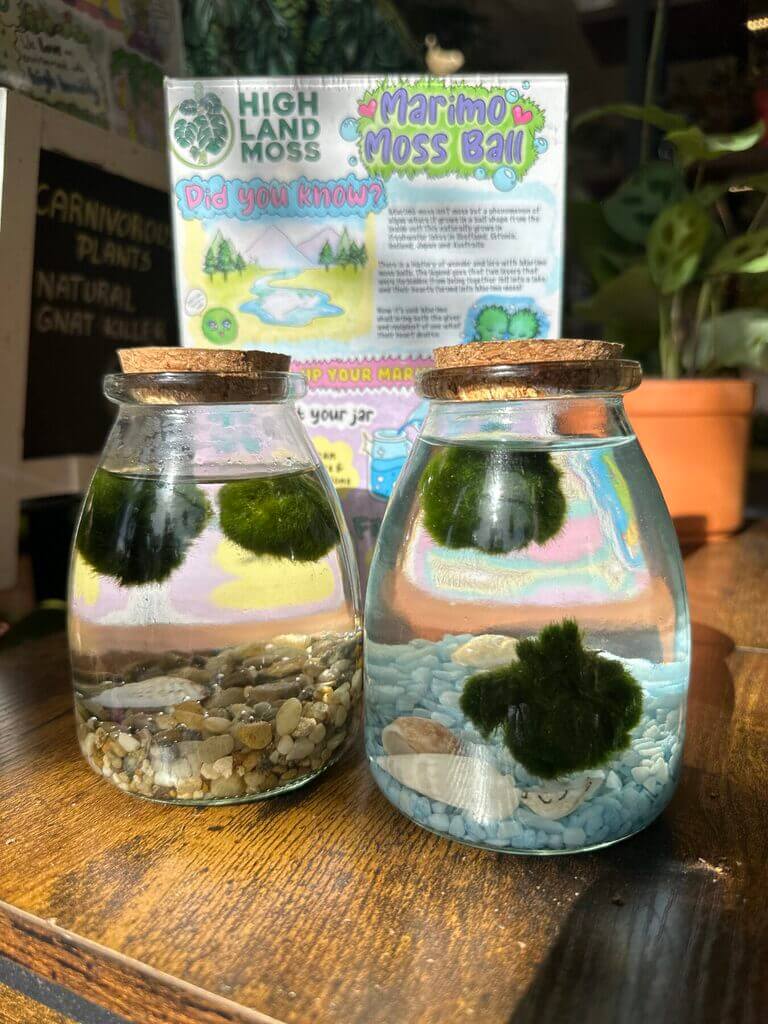
Moss is one of the best finishing layers for terrariums because it adds texture, colour and a mature, natural look.
- Add drainage, barrier layer and terrarium substrate first.
- Press each piece gently onto damp substrate.
- Arrange plants, wood, stones and decorations.
- Use smaller pieces to fill gaps around stones and plants.
- Mist lightly after planting.
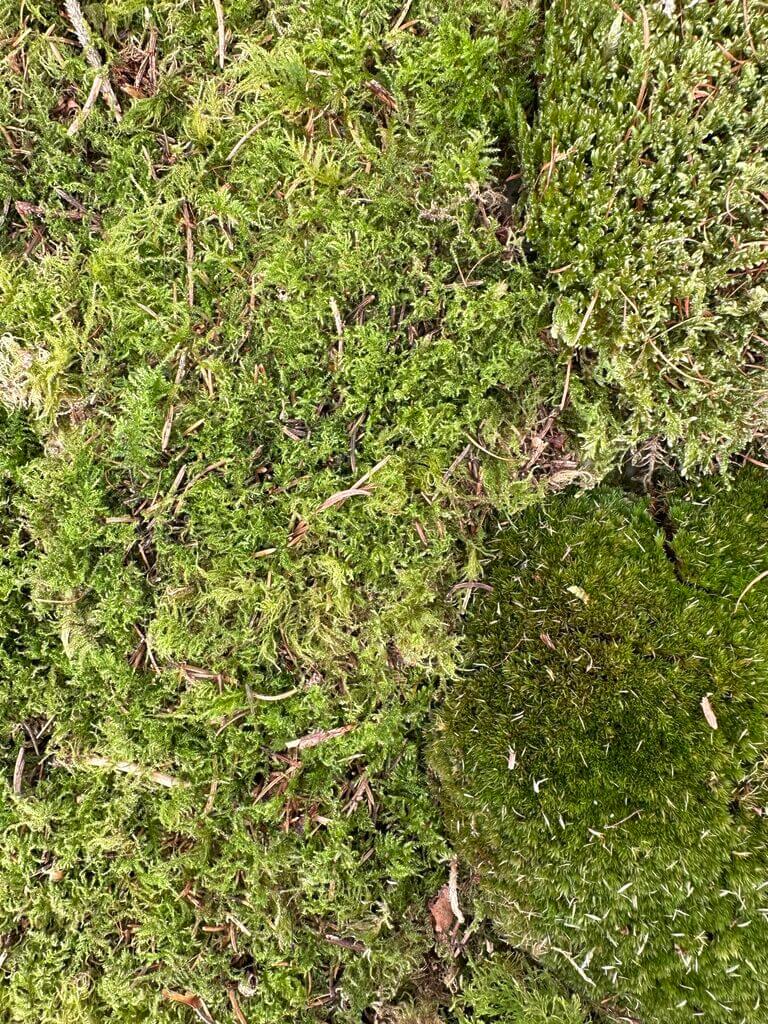
Best choices: Carpet Moss, Cushion Moss and Feather Moss.
The perfect moss for terrariums:
Tip for Closed Terrariums
A closed terrarium should have light condensation at certain times of day, but it should not be constantly dripping wet. If there is too much condensation, open the lid for a short time to let excess moisture escape.
Best Moss Combinations
| Combination | Best for |
|---|---|
| Carpet Moss plus Mood Moss | A classic mossy landscape with flat coverage and raised mounds. Recreate the forest at home. |
| Carpet Moss plus Haircap Moss | A natural woodland floor with more upright detail. |
| Feather Moss plus Pin Cushion Moss | A soft, wild forest look with varied texture. |
| Carpet Moss, Cushion Moss and Haircap Moss | A Japanese style moss garden. |
| Live Sphagnum Moss plus carnivorous plants | Bog garden style displays and high humidity plant projects. |
Using Moss Outdoors
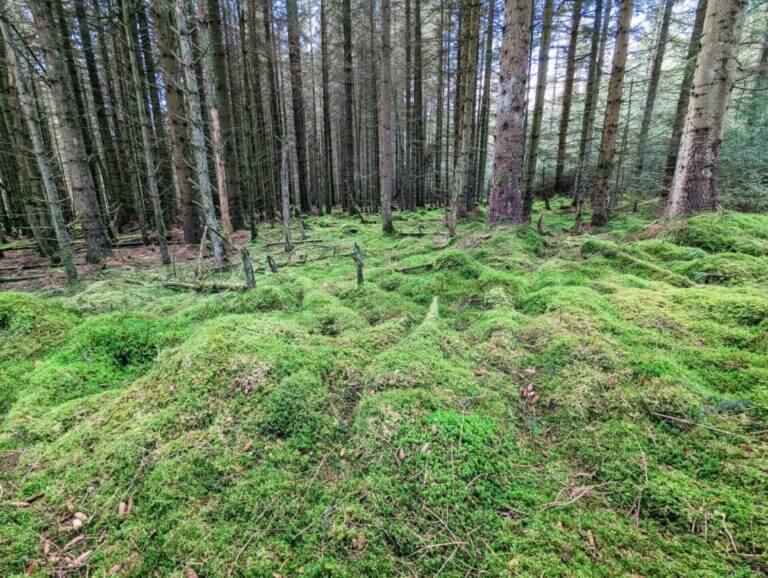
Outdoor moss can be used in many ways, from small decorative patches to full moss gardens. It works especially well in shaded, damp areas where grass struggles.
Best Outdoor Uses
- Around the base of trees
- Shaded borders
- Japanese style moss gardens
- Between stepping stones
- Around rocks and water features
- Bonsai garden displays
- Woodland style paths
- Moss lawns in low traffic areas
How to Plant Moss Outdoors
- Choose a shaded or partly shaded area.
- Remove grass, weeds and stones.
- Firm the soil or surface gently.
- Add a half inch layer of mulch – we offer a unique moss mulch that is great for this.
- Water the area so it is damp before planting.
- Place the moss directly onto the surface.
- Press it down firmly so the underside makes good contact.
- Mist or water lightly.
- Keep the area evenly moist but not soggy while the moss settles.
For the first few weeks, water little and often during dry weather. Once established, outdoor moss usually needs less attention, although it may need extra moisture during long dry or hot spells.
Outdoor Moss Ideas
| Use | Best moss types | Extra tip |
|---|---|---|
| Around trees | Carpet Moss, Feather Moss and Mood Moss. | Leave a small gap around the trunk so moisture is not held directly against the bark. |
| Shaded borders | Carpet Moss and Feather Moss. | Use around ferns, rocks, logs and shade loving plants. Avoid areas that are regularly dug over. |
| Pathways | Carpet Moss and Feather Moss. | Best for low traffic areas. Avoid placing Cushion Moss where it will be stepped on regularly. |
| Japanese style moss garden | Carpet Moss, Haircap Moss, Cushion Moss, Mood Moss and Feather Moss. | Start with one shaded patch first, then expand once you understand how the moss behaves in your garden. |
Creating a Japanese Style Moss Garden
A Japanese style moss garden is all about simplicity, texture, calm and natural shapes. Moss can be used around rocks, under trees, beside pathways and across shaded areas to create a peaceful, woodland inspired space.
- Use Carpet Moss for larger green areas and soft ground coverage.
- Use Haircap Moss for height and texture in damp and bright areas.
- Use Mood Moss for a soft cushion mounds.
- Use Feather Moss to blend around stones, logs and natural edges.
Moss gardens are low maintenance, but they are not no maintenance. The main tasks are removing fallen leaves, clearing weeds and watering during dry spells.
Moss Type Guide
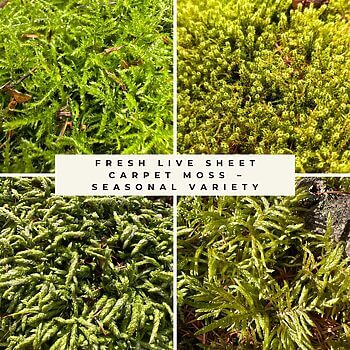
Carpet Moss or Hypnum Sheet Moss
One of the most versatile mosses. It creates soft, flat coverage and works well as a living green layer in terrariums, soil toppers, borders, pathways, tree bases and Japanese style gardens.
Haircap Moss
Haircap Moss has a more upright look than flat carpet moss, giving it a miniature forest effect. It is useful when you want height, movement and a natural woodland feel. It likes to be wet or very moist at all times.
Cushion Moss or Pin Cushion Moss
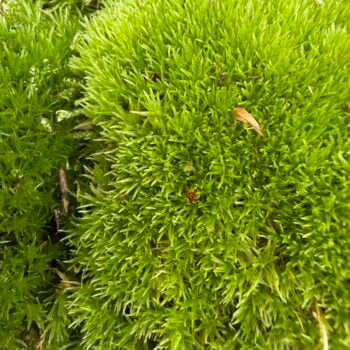
Cushion Moss forms rounded green mounds. It is perfect when you want shape and texture rather than flat coverage, especially in terrariums, moss bowls, fairy gardens, bonsai displays and Japanese style feature areas.
Mood Moss or Dicranum Scoparium
Mood Moss has a soft, wilder look with lovely colour variation. It works well where you want texture and a less manicured woodland finish.
Feather Moss
Feather Moss has a delicate, feathery texture. It is useful for softening hard edges and blending moss around stones, bark, logs and other natural materials.
Live Sphagnum Moss
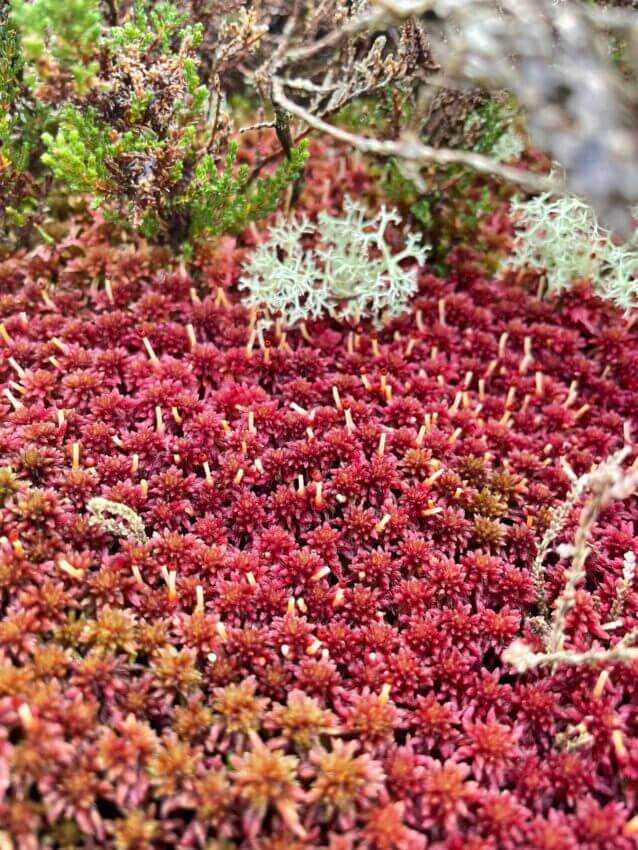
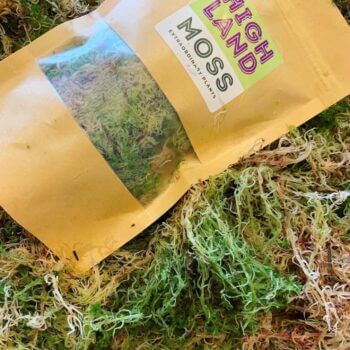
Live Sphagnum Moss is different from decorative carpet or cushion moss. It loves moisture and is especially useful for propagation, moss poles, carnivorous plant displays, bog gardens and high humidity terrariums.
Important Note About Preserved Reindeer Moss
Reindeer moss is technically a lichen rather than a true moss. If it is preserved, it will not grow and should not be treated like live moss. Preserved moss does not need watering, soil or sunlight, and watering can damage it. Use preserved reindeer moss for decorative displays, not as a living planted moss layer.
Common Moss Care Problems
| Problem | Likely cause | What to do |
|---|---|---|
| Moss turning brown | Too dry, too hot, too sunny, hard tap water or poor contact with the surface below. | Move to a cooler, shadier position and mist with rainwater or distilled water. |
| Moss turning yellow | Too little useful light, too much water, poor airflow or unsuitable water. | Try bright indirect light, gentle airflow and lighter misting. |
| Moss going mouldy | Too much moisture, poor airflow or decaying plant material. | Remove dead leaves, open the terrarium for ventilation and avoid heavy watering. |
| Moss lifting at the edges | Poor contact with the surface, drying, birds or wind outdoors. | Press it back down onto the damp surface and mist lightly. |
| Moss not spreading | Moss is naturally slow growing and needs stable conditions. | Keep it moist, clean and undisturbed. Start with enough moss to create the look you want. |
Quick Moss Care Summary
- Bright indirect light indoors.
- Shade or dappled shade outdoors.
- Mist with rainwater or distilled water where possible.
- No fertiliser needed.
- Remove leaves, debris and weeds.
- Best beginner mix: Carpet Moss plus Cushion Moss.
- Best terrarium mix: Carpet Moss, Cushion Moss, Mood Moss and Feather Moss.
- Best outdoor mix: Carpet Moss, Haircap Moss, Feather Moss and Cushion Moss.
- Best Japanese style mix: Carpet Moss, Haircap Moss, Cushion Moss and Mood Moss.
Need moss for a terrarium, bonsai bowl, moss garden or creative project? Browse our live moss range and choose the best moss for your indoor or outdoor display.