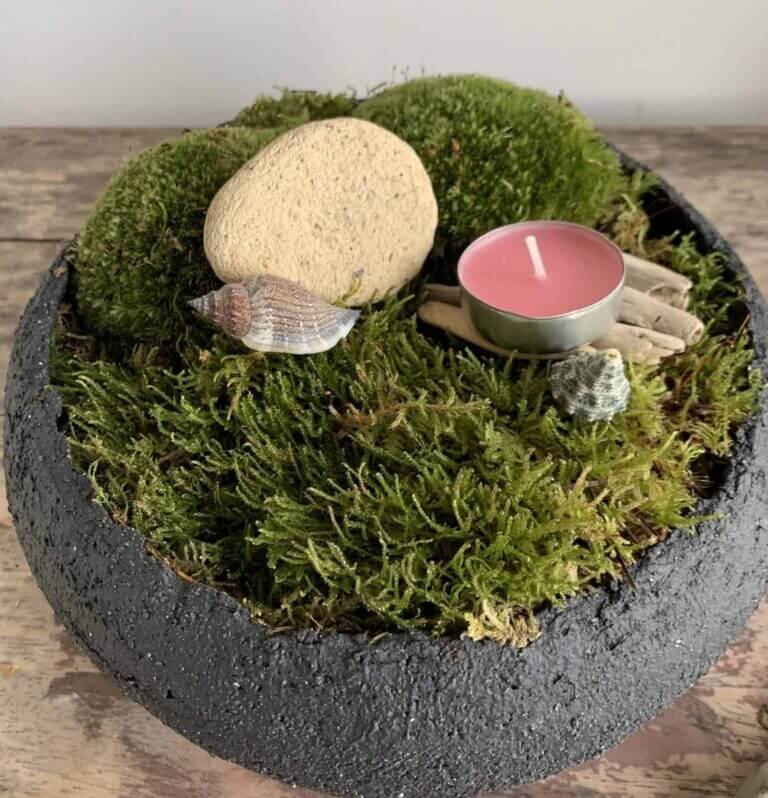


Best Moss for Japanese Gardens in the UK
Moss has been used in Japanese gardens for centuries to create a calm, aged and natural atmosphere. Its soft green texture works beautifully around stones, paths, water features, bonsai displays and shaded garden corners. For UK gardeners, live moss is one of the most effective ways to bring a Japanese inspired look to an outdoor space, especially in damp, shaded or woodland style areas.
At Highland Moss, we supply live moss for gardens, terrariums, mossariums, landscaping projects, creative displays and show gardens. Our moss has been featured at RHS Chelsea Flower Show and BBC Gardeners’ World Live, as well as in award winning garden displays across the UK. Whether you are creating a small Japanese style corner, a moss bowl, a shaded path or a larger moss garden, choosing the right type of moss is essential.
Why Moss Is Used in Japanese Gardens
Moss is valued in Japanese garden design because it creates a feeling of age, stillness and balance. Unlike colourful bedding plants, moss has a quiet beauty. It softens hard landscaping, covers bare soil, settles around rocks and gives the garden a natural, established look.
In traditional Japanese gardens, moss is often used to suggest time, patience and harmony with nature. A moss covered stone, path or bank can make even a small garden feel peaceful and mature. This is one reason moss works so well in UK gardens, where our damp climate can help it thrive when the right conditions are provided.
Moss is also useful in practical garden design. It can help retain moisture, reduce exposed soil, soften edges and create a natural finish around stones, trees and shaded planting areas. It does not need mowing, regular feeding or heavy maintenance, making it a beautiful choice for low intervention garden spaces.
Best Types of Moss for Japanese Style Gardens
Best Highland Moss Varieties for Japanese Style Gardens
Choosing the right moss is one of the most important steps when creating a Japanese style garden. Some mosses create a smooth carpet, while others add rounded cushions, feathered texture or a wild woodland feel. At Highland Moss, we supply a range of fresh live mosses that can be used in shaded gardens, moss lawns, bonsai displays, terrariums, moss bowls and natural landscaping projects.
The best moss for your project depends on the look you want, the amount of shade available and how much moisture the area naturally receives. Below are some of our favourite mosses for Japanese garden inspired designs.
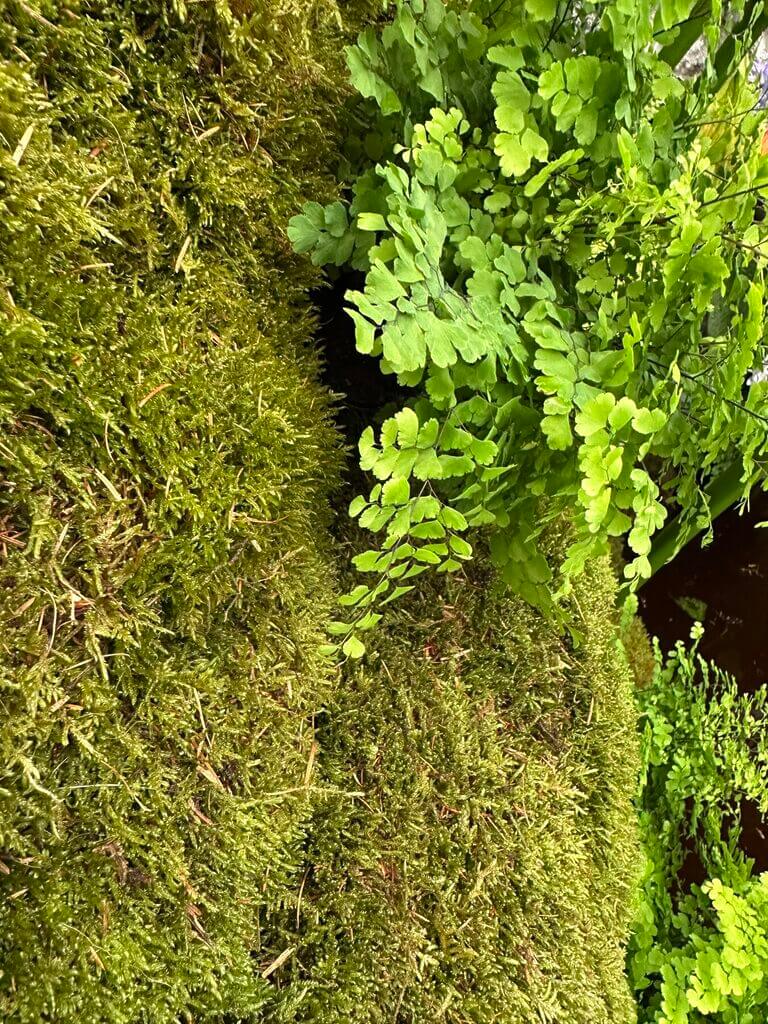
Garden Show Moss Collection
Our Garden Show Moss Collection is inspired by Zoe Claymore’s British rainforest garden at RHS Chelsea Flower Show 2025. This seasonal moss selection is designed to bring the texture and atmosphere of the forest floor into gardens, shaded corners and naturalistic planting schemes.
It is a lovely choice if you want a mixed, woodland inspired look rather than one completely uniform moss type. It can work beautifully around stones, tree bases, shaded borders, Japanese style moss gardens, moss bowls and creative garden features.
Click here to buy the Garden Show Moss Collection.
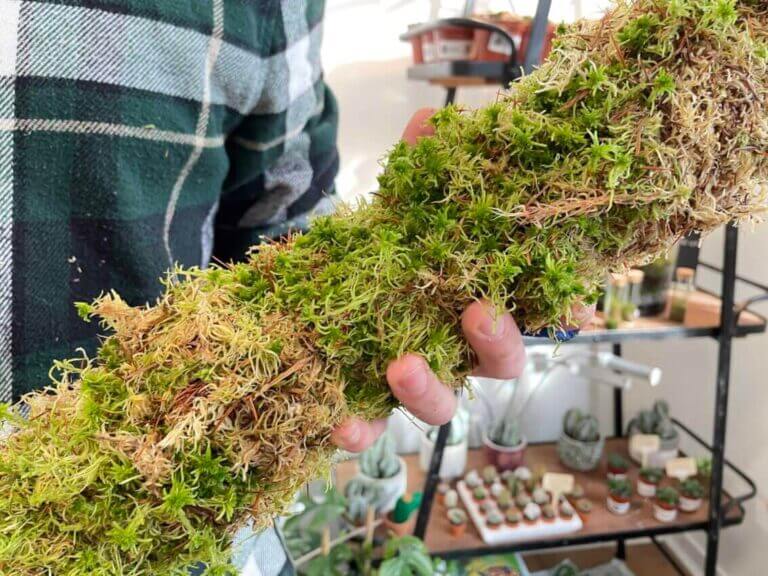
Fresh Live Sheet Carpet Moss
Fresh Live Sheet Carpet Moss is ideal when you want a soft, green moss carpet effect. It is especially useful for covering larger areas, softening the edges of stepping stones, dressing shaded borders or creating a moss lawn effect in the right conditions.
Because this is a seasonal variety, the exact texture and shade of green may vary depending on what is available fresh at the time. This natural variation can make a Japanese style garden feel more authentic, relaxed and connected to the woodland floor.
Click here to buy Fresh Live Sheet Carpet Moss.
Cushion Moss or Pin Cushion Moss
Cushion Moss, also known as Pin Cushion Moss, creates soft rounded mounds that look beautiful between rocks, around bonsai, in moss bowls and in small Japanese inspired displays. It adds height and shape, making the garden feel more three dimensional.
This moss is a good choice for detail work rather than covering a very large flat area. Use it where you want soft green domes, natural texture and a calm miniature landscape effect.
Click here to buy Fresh Live Cushion Moss.
Cypress-Leaved Plait Moss
Cypress-Leaved Plait Moss, or Hypnum cupressiforme, is a versatile carpet moss with fine, elegant texture. It can be used on shaded beds, garden rocks, tree trunks, terrariums, mossariums and creative moss projects.
For Japanese style gardens, this moss is useful when you want a natural but refined look. Its delicate texture helps soften hard landscaping and works well alongside stone, wood and water features.
Click here to buy Cypress-Leaved Plait Moss.
Fresh Live Feather Moss
Fresh Live Feather Moss may include beautiful species such as Glittering Wood Moss, Common Tamarisk Moss and Common Hook Moss. It is also often known as fern moss, silky forklet moss, glittering wood moss or stairstep moss.
This type of moss is excellent for adding a softer, feathered woodland texture. It suits shaded gardens, terrariums, natural displays and moss features where you want more movement and detail than a flat sheet moss.
Click here to buy Fresh Live Feather Moss.
Red Stemmed Feather Moss
Red Stemmed Feather Moss, or Pleurozium schreberi, has soft green foliage with vivid red stems. This creates a beautiful contrast, especially when the moss is damp and the red tones become more visible.
It is a strong choice for Japanese style moss gardens where you want more colour variation and texture. It can also work well as a moss lawn effect, plant pot topper or naturalistic display moss.
Click here to buy Red Stemmed Feather Moss.
Little Shaggy Moss
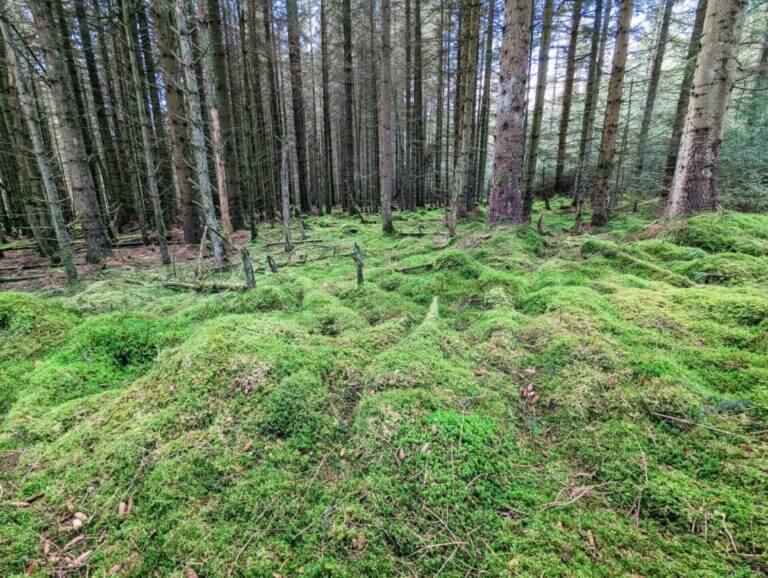
Little Shaggy Moss, or Rhytidiadelphus loreus, is a naturally sourced carpet moss with a wilder woodland feel. It has a spreading habit and lush green texture, making it ideal for outdoor moss carpets, shaded garden beds and Japanese inspired garden features.
This is a lovely option when you want a more natural forest floor effect rather than a neat, formal moss surface. It works especially well in acidic, moisture retentive soil, shaded areas and woodland style planting schemes.
Click here to buy Little Shaggy Moss.
Which Moss Should You Choose?
For a smooth green carpet, choose Fresh Live Sheet Carpet Moss, Cypress-Leaved Plait Moss or Little Shaggy Moss. For soft rounded mounds, choose Cushion Moss. For a wilder, more textured woodland effect, choose Fresh Live Feather Moss, Red Stemmed Feather Moss or the Garden Show Moss Collection.
For the most natural Japanese style garden, you can also combine several moss types. A mix of carpet moss, cushion moss and feather moss can create a more layered, established look, especially around rocks, tree roots, water features and shaded planting areas.
Explore More Moss Inspiration
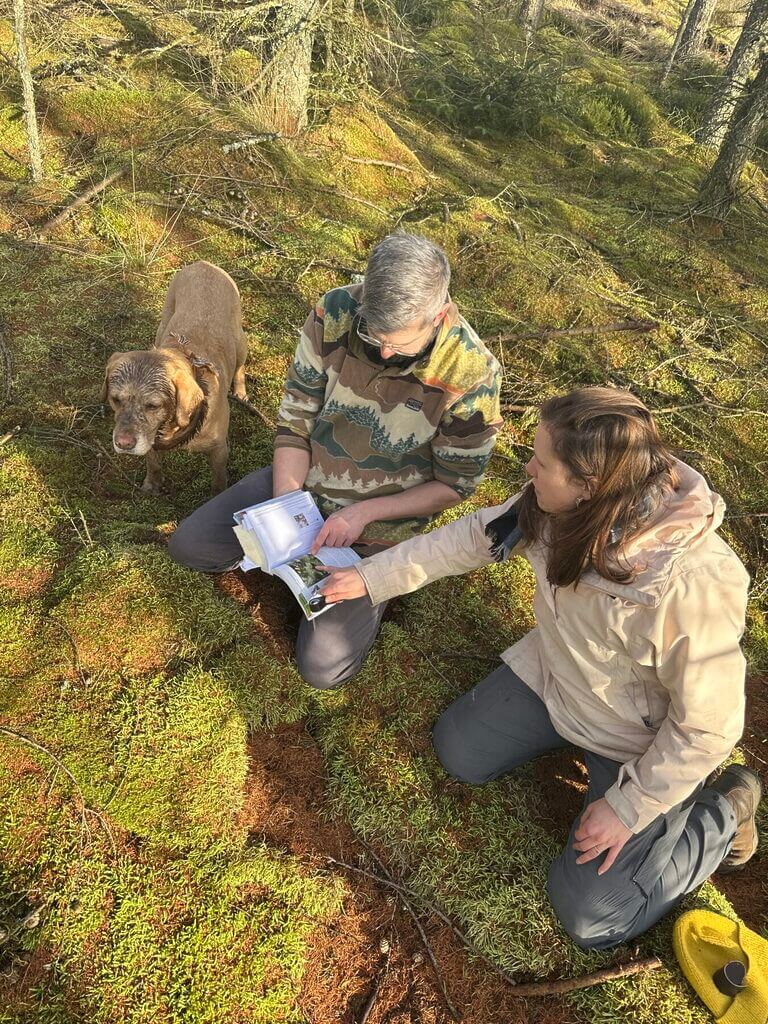
If you would like more ideas, you can also read our moss booklet, created as a simple guide to the many ways moss can be used indoors and outdoors. It includes inspiration for terrariums, kokedama, moss bowls, garden displays, creative projects and natural home decor. Whether you are planning a Japanese style moss garden or just looking for new ways to bring more moss into your life, it is a lovely place to start. Click here to read our moss booklet.
Trusted by Professional Gardeners and Landscapers
At Highland Moss, we have been proud to see our live moss used in garden displays at RHS Chelsea Flower Show, BBC Gardeners’ World Live and other major UK garden shows. These projects show how effective moss can be in creating natural texture, calm planting schemes and beautiful green detail. In this guide, we explain how to choose and use moss in a Japanese style garden in the UK.
How to Choose the Right Moss for Your Garden
Before buying live moss for a Japanese garden, look carefully at the conditions in your space. Moss does best when the environment suits its natural growing style. The most important things to consider are light, moisture, surface and use.
For shaded areas, flat carpet moss, sheet moss and cushion moss can work very well. These are good choices for woodland corners, shaded patios, damp borders and spaces beneath trees. For areas with partial sun, choose tougher moss types and be ready to water more often during dry weather.
Moss should not be treated like grass. It does not need rich compost or fertiliser. In fact, too much feed can encourage weeds and algae instead. Moss prefers a clean surface, steady moisture and minimal competition from other plants.
If your garden is very sunny, dry or exposed, moss may struggle unless you create shade and improve moisture levels. In these cases, consider using moss in protected pockets rather than across a whole open lawn area.
Preparing the Area Before Laying Live Moss
Good preparation makes a big difference. Start by removing weeds, loose leaves, grass, old roots and garden debris. Moss needs close contact with the surface below, so the area should be clean, firm and even.
If you are laying moss on soil, gently firm the surface and remove large stones or loose material. The soil should be moist but not waterlogged. If the area is very dry, water it well before placing the moss. If the area is compacted or dusty, lightly loosen the surface so the moss can sit naturally against it.
For stones, logs or other hard surfaces, clean away loose dirt and make sure the surface is damp before placing the moss. Moss can attach over time, but it needs regular moisture while it settles.
How to Plant Moss in a Japanese Garden
Lay the moss directly onto the prepared surface and press it gently into place. You want good contact between the moss and the soil, stone or wood below. For larger areas, place pieces close together to create a fuller carpet effect. Smaller gaps can fill in slowly over time if the conditions are suitable.
After laying the moss, mist or water it gently. Avoid blasting it with a hose, as this can lift the moss and disturb the surface. Keep the area consistently moist while it settles, especially during the first few weeks.
Some guides suggest making a moss slurry with yoghurt or buttermilk. For a cleaner and more reliable finish, use healthy live moss pieces and press them directly onto a suitable surface.
Caring for Moss in a UK Garden
Once established, moss is usually easy to care for, but it still needs the right conditions. The main task is keeping it from drying out completely, especially during warm, windy or sunny weather.
Water moss with rainwater where possible, especially if your tap water is hard. Mist it gently or use a soft watering can rose. Moss does not need fertiliser, and feeding it can do more harm than good.
Remove fallen leaves, weeds and debris by hand. Do this gently so you do not lift the moss. If birds disturb the moss while looking for insects, press it back into place and keep it damp while it settles again.
If moss turns yellow or brown, it may be too dry, too sunny or not making good contact with the surface below. In many cases, moss can recover once moisture improves. Move loose pieces back into place, water gently and give the area time to respond.
Japanese Garden Design Ideas Using Moss
Moss works beautifully with stone, gravel, water, wood and simple planting. You do not need a large garden to create a Japanese inspired moss feature. Even a small shaded corner can become a peaceful focal point.
Try using moss around stepping stones to soften a path, or place cushion moss between rocks to create the look of a miniature landscape. Carpet moss can be used beneath a small acer, around a water bowl or beside a bonsai display. Haircap moss can add upright texture and make the space feel more natural.
For a simple Japanese style moss garden, combine three key elements: moss, stone and water. A shallow bowl, natural rocks and live moss can create a calm display for a patio, shaded courtyard or garden room. Larger gardens can use moss around ponds, streams, stone lanterns or woodland paths.
Can Moss Be Used Instead of Grass?
Moss can be used as an alternative to grass in the right conditions, but it is not suitable for heavy foot traffic. A moss lawn works best in shaded, damp areas where grass struggles. It is better for visual impact than for regular walking, so use stepping stones if the area needs to be crossed often.
If you want a moss lawn effect, choose a suitable carpet moss or sheet moss and prepare the area carefully. Keep it moist while it establishes and remove grass or weeds before they compete with the moss.
Common Mistakes When Using Moss Outdoors
One of the most common mistakes is placing moss in full sun and expecting it to behave like grass. Most mosses prefer shade, moisture and protection from drying winds. Another mistake is adding compost or fertiliser, which can encourage weeds rather than moss.
Poor surface preparation can also cause problems. If moss is laid over loose leaves, dry soil or competing vegetation, it may not settle properly. Always clear and dampen the surface first.
It is also important not to let newly laid moss dry out. Moss can be resilient, but it needs moisture while it adjusts to its new position. Gentle, regular watering is better than occasional heavy soaking.
Buying Live Moss for Japanese Gardens
Highland Moss supplies live moss for Japanese style gardens, moss lawns, terrariums, mossariums, bonsai displays, creative projects, show gardens and commercial landscaping. We offer small quantities for home gardeners as well as wholesale moss orders for designers, landscapers, florists, artists and event projects.
If you are not sure which moss is best for your project, think about the area you want to cover, how shaded it is and whether you want a flat carpet, soft cushion texture or a more upright natural look. Choosing the right moss from the start will give you a healthier and more attractive finish.
Explore our live moss range online or email us at contact@HighlandMoss.com if you need help choosing moss for a Japanese garden, moss lawn, terrarium, display or landscaping project.
FAQ: Moss for Japanese Gardens
What is the best moss for a Japanese garden?
The best moss depends on the look you want and the conditions in your garden. Carpet moss and sheet moss are ideal for a soft green ground cover, cushion moss creates rounded natural mounds, and Haircap moss adds upright texture. Most mosses prefer shade, moisture and a clean surface.
Can moss grow in UK gardens?
Yes, many mosses grow very well in UK gardens because the climate is often damp and mild. Moss is especially suitable for shaded areas, woodland gardens, damp borders, moss lawns and Japanese inspired garden designs.
Does garden moss need soil?
Moss can grow on soil, stone, wood and other suitable surfaces, depending on the species. It does not need rich compost or fertiliser. What it needs most is good surface contact, moisture and suitable light levels.
Can I walk on a moss lawn?
Moss can tolerate very light contact, but it is not suitable for heavy foot traffic like a traditional lawn. If you want to walk through a moss area, add stepping stones to protect the moss and keep the design looking tidy.
Is live moss suitable for terrariums too?
Yes, live moss can be excellent for closed wet terrariums and mossariums when the conditions are humid and bright but out of harsh direct sun. Outdoor garden moss and terrarium moss are used differently, so it is worth choosing the right moss for your setup. We have a separate guide explaining which moss is best for terrariums.
How do I stop moss drying out?
Place moss in shade or partial shade, water gently during dry weather and avoid exposed, windy spots. Rainwater is ideal where possible. Newly laid moss needs extra attention until it settles into place.