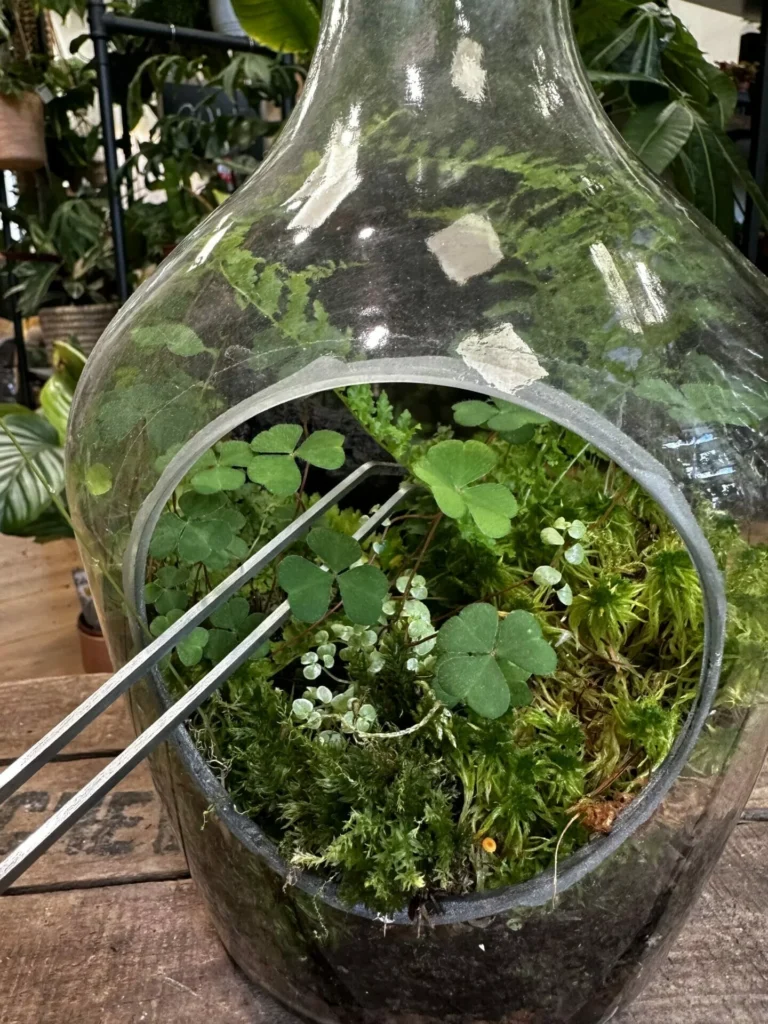


Why Succulents and Cacti Die in Terrariums (Even When They Look Fine at First)
If every succulent or cactus you put inside a terrarium seems to thrive for a while and then die, there may be a few reasons. In this article we’ll explain what’s happening, why it happens so often, and what you can do instead so your plants stay healthy.
What’s really going on
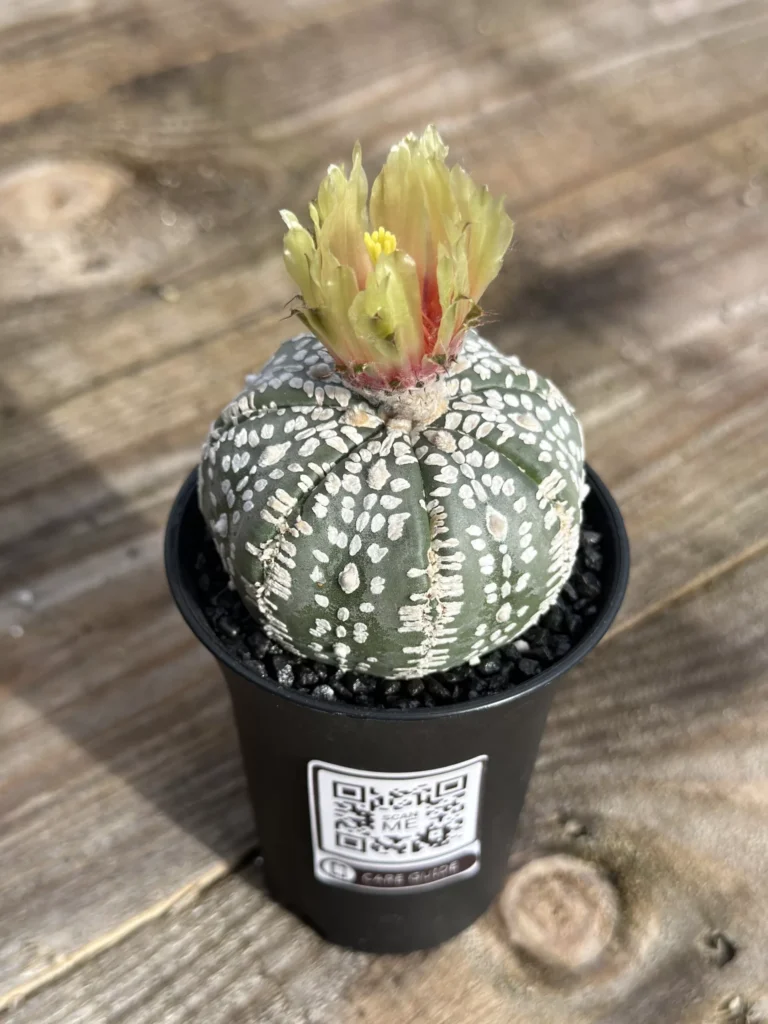
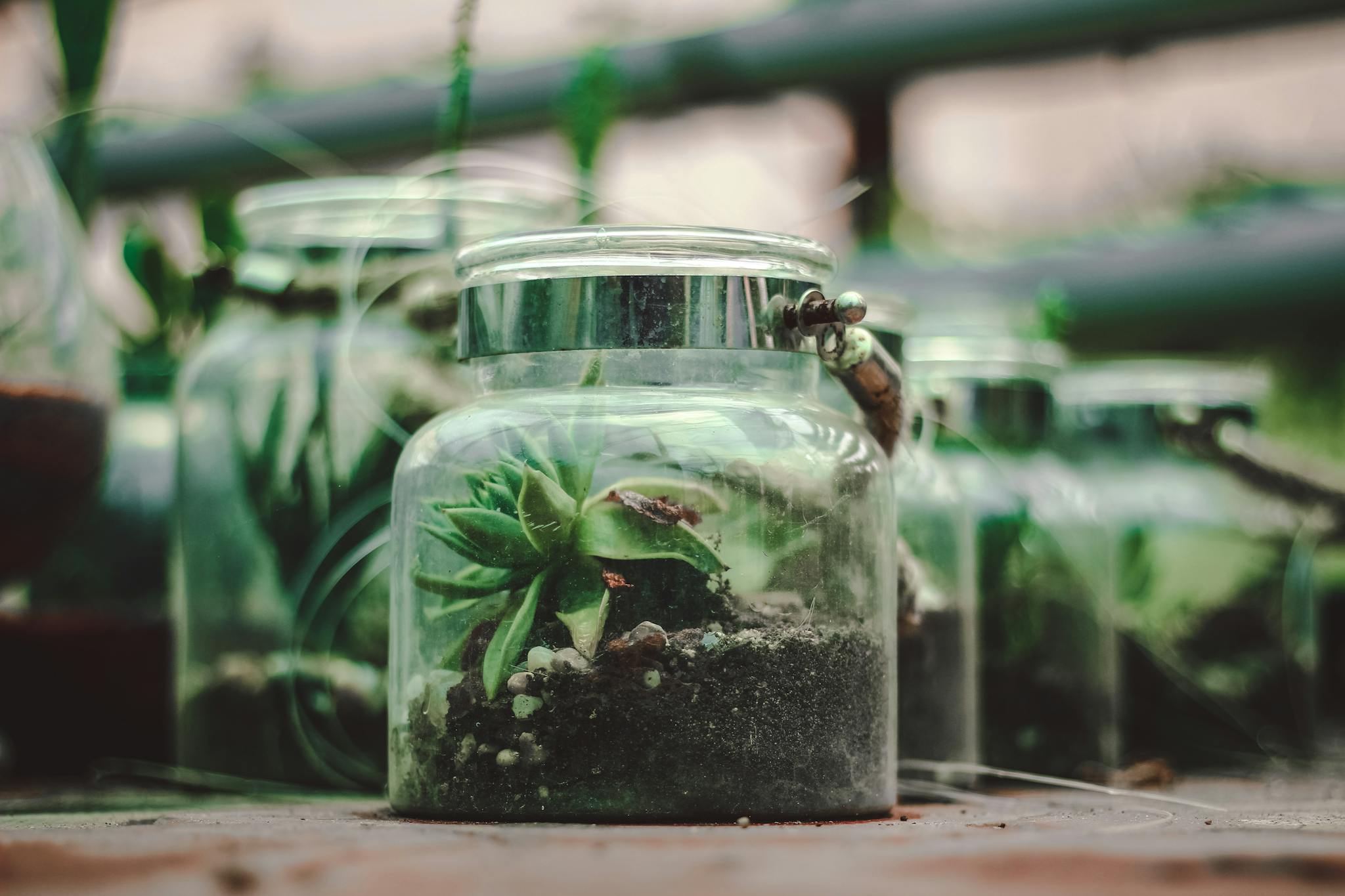
Succulents and cacti are desert-style plants. They’re designed for bright light, plenty of airflow, and soil that dries quickly after watering. A terrarium creates the opposite kind of microclimate: the air moves less, moisture leaves the soil more slowly, and the space tends to stay more “stable” than an open pot on a shelf. That mismatch is why plants can look fine at first, then decline later.
Why they seem to thrive at first, then crash
At the start, the plant still has healthy roots and stored water in its leaves or stem, so it can keep growing for a while. But if the roots stay damp for too long, tiny root damage builds up silently. Once enough roots are compromised, the plant can no longer regulate water properly and the decline looks sudden: soft leaves, leaf drop, darkening at the base, or collapse.
The most common reasons succulents fail in terrariums
No true drainage: Most terrarium containers don’t have a drainage hole, so excess water can’t escape. Even careful watering can eventually “stack up” because there’s nowhere for extra moisture to go.
Soil stays wet too long: In a terrarium the potting mix dries much slower than in a normal planter. Succulents need a full dry-out between waterings; when that doesn’t happen, roots struggle.
Low airflow: Glass walls reduce air movement around the plant and soil surface. Less airflow means slower drying and a greater chance of rot starting at the roots or stem.
Misting and small frequent watering: Terrariums often get misted or watered in tiny amounts. That approach keeps the environment lightly damp without ever fully drying, which is exactly what succulents and cacti dislike.
Not enough usable light: Succulents may not get the strong light they need through terrarium glass, especially if the terrarium sits back from a window or builds up condensation. Low light growth is weaker and less resilient.
Quick signs your plant is heading the wrong way
Leaves becoming translucent or squishy, leaves dropping when touched, a dark or soft stem base, mold on the soil surface, or a cactus that starts to look dull and slightly “deflated” are all signs the setup isn’t working.
How to fix it (and save the plant you have)
Take the succulent or cactus out of the terrarium. Remove wet soil and check the roots and base. Cut off anything black, mushy, or soft until you reach firm healthy tissue. Let the plant dry out for 24–48 hours so any cuts can callus. Repot into a pot with a drainage hole using a gritty cactus/succulent mix. Wait about a week before watering, then water thoroughly and allow the soil to dry completely before watering again. Give it brighter light gradually.
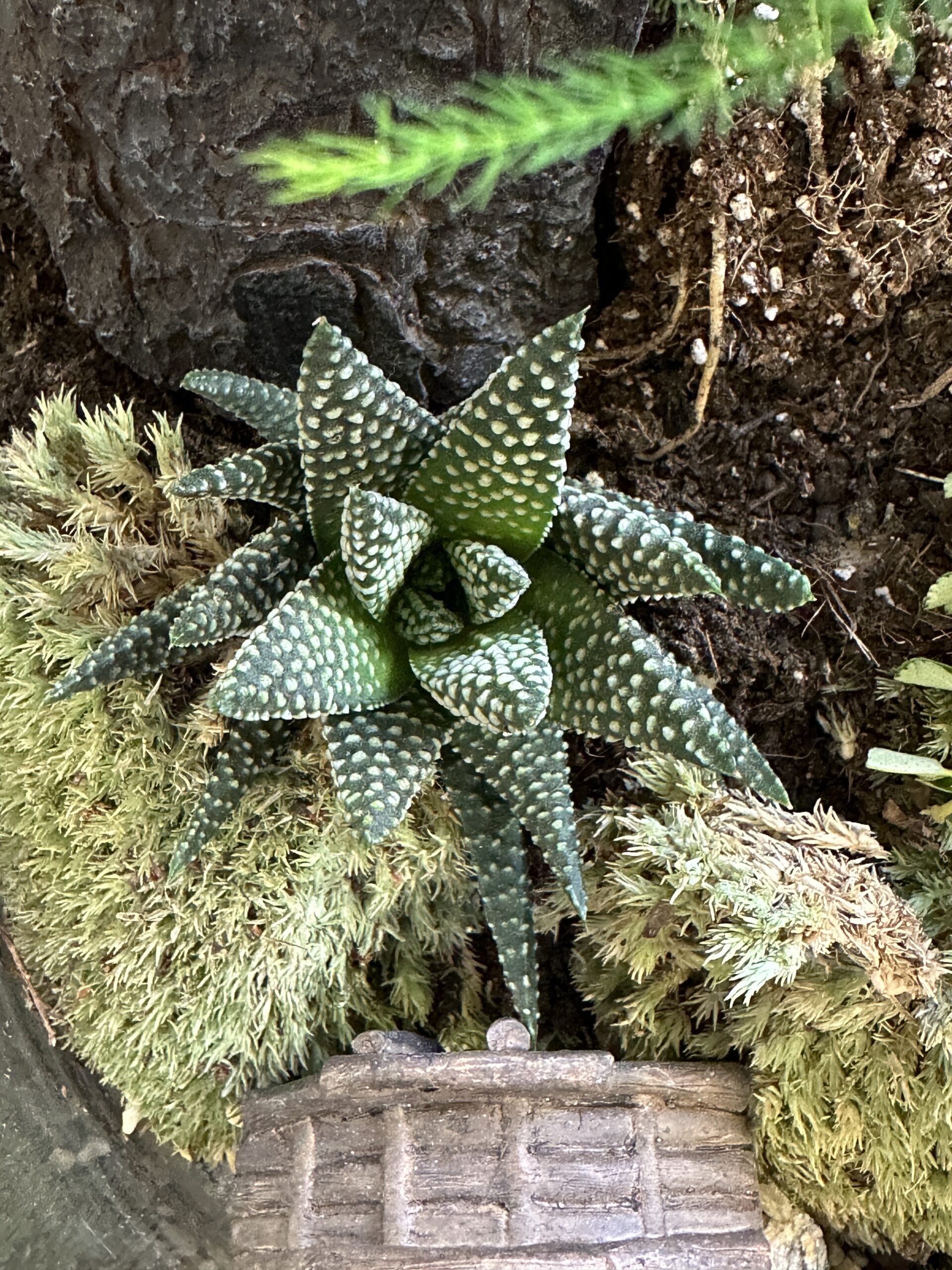
Shop the right plants for a terrarium
What to use in a terrarium instead
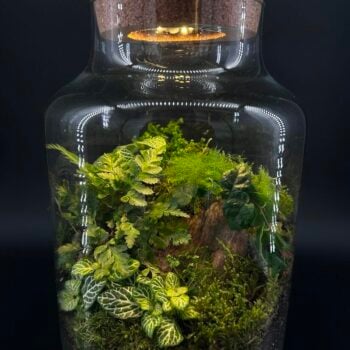
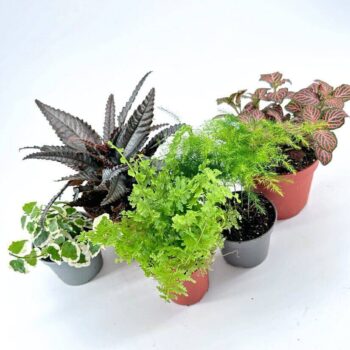
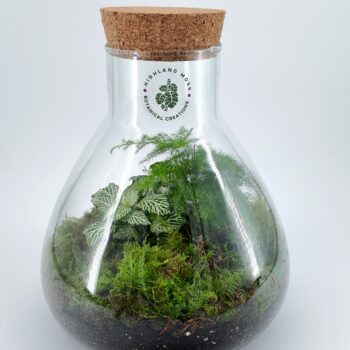
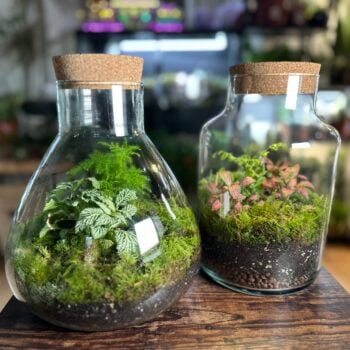
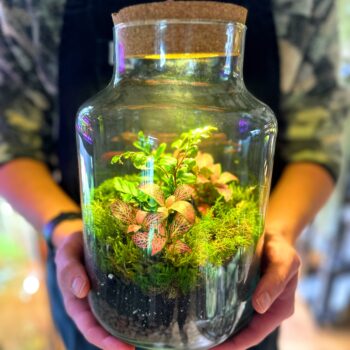
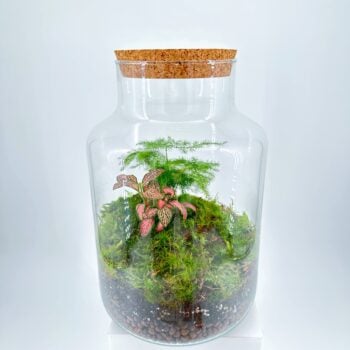
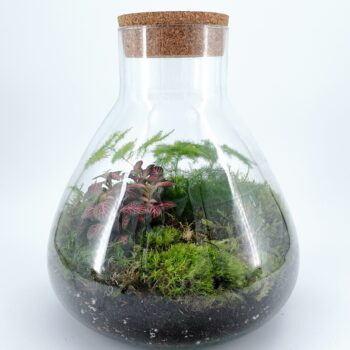
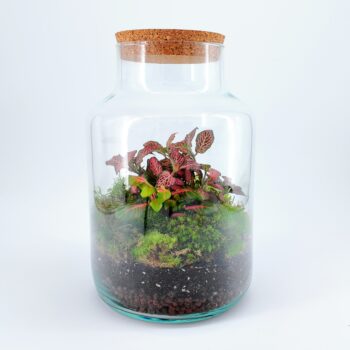
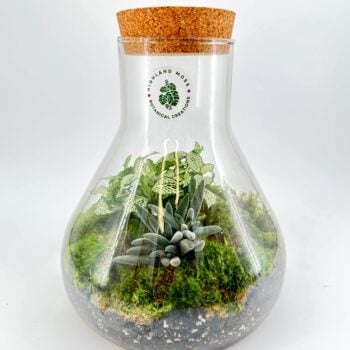
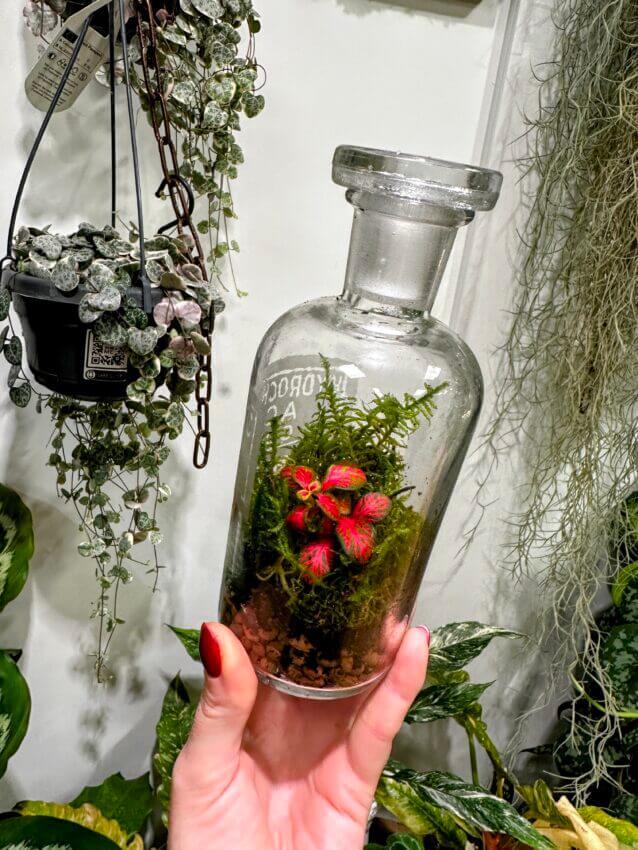
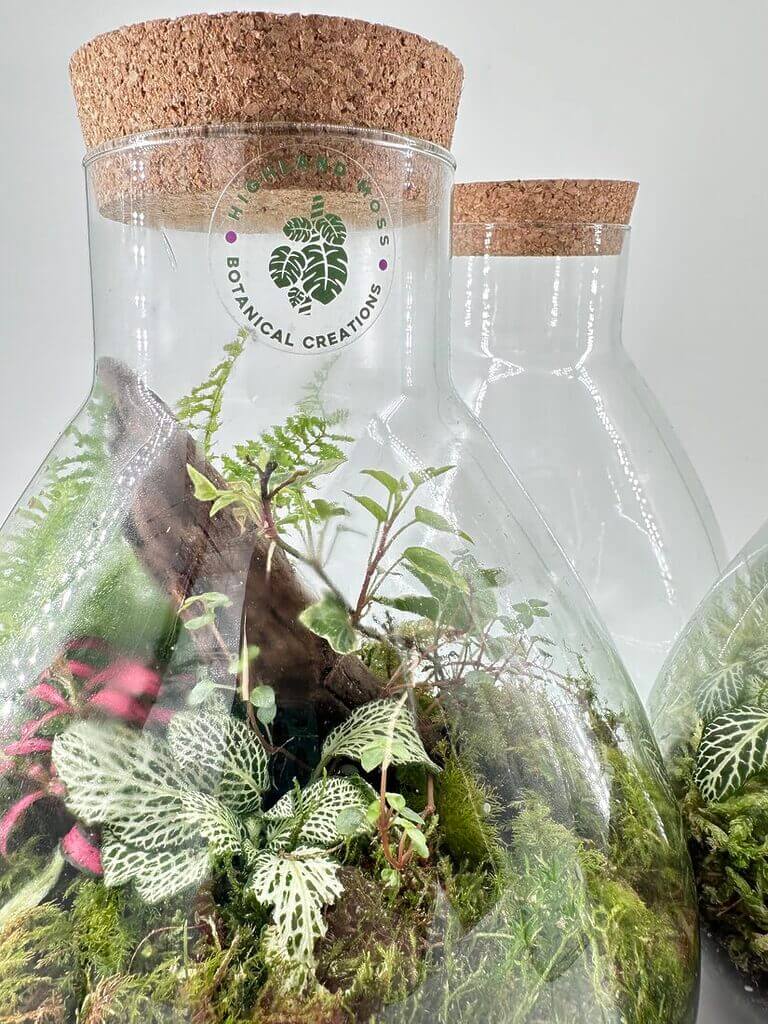
Terrariums are better for plants that naturally enjoy a steadier, more humid environment. Good options include Fittonia (nerve plant), moss, small ferns, Selaginella, many Peperomia varieties, and some compact Pilea types. These choices are far more reliable long-term inside glass.
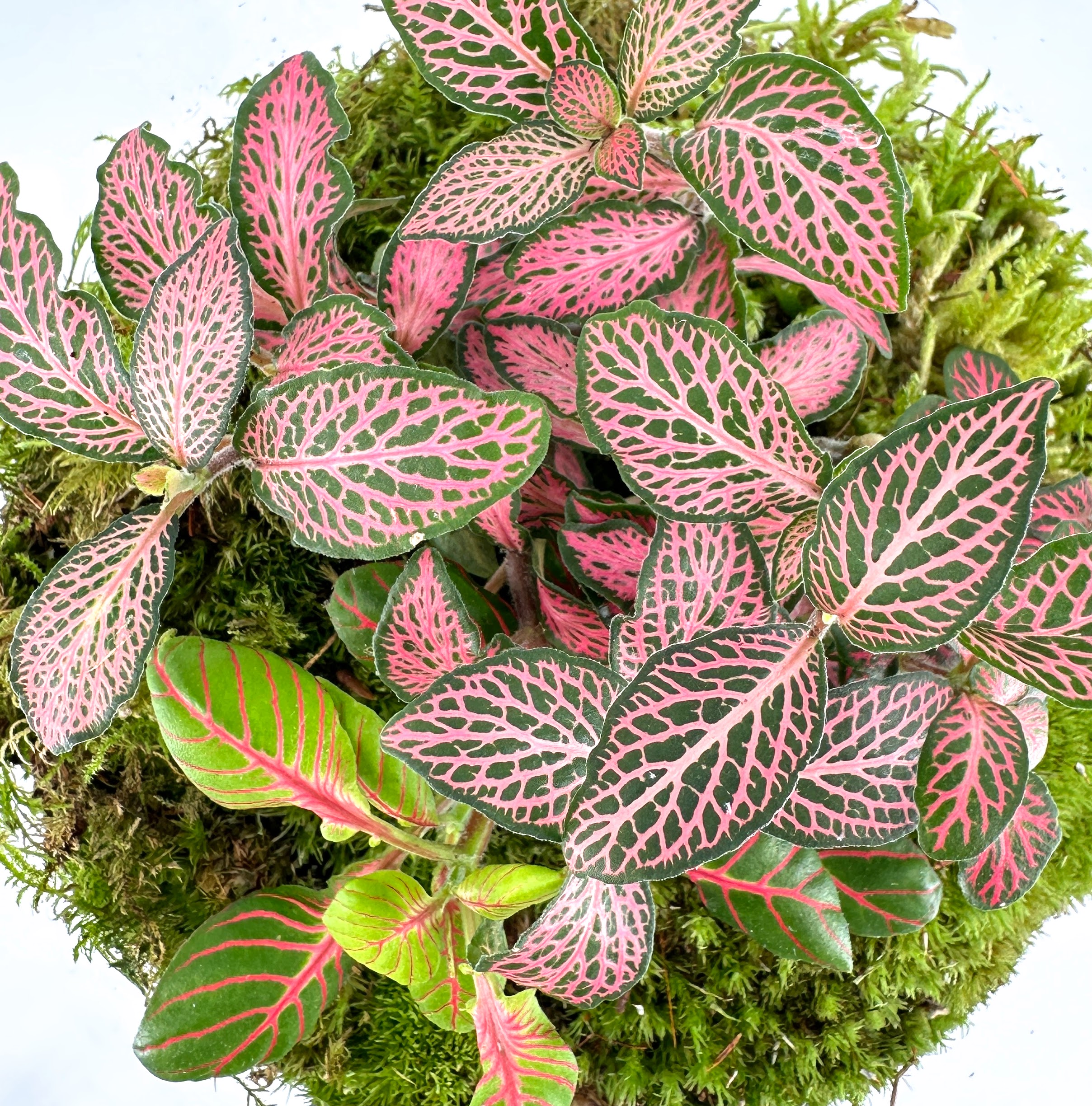
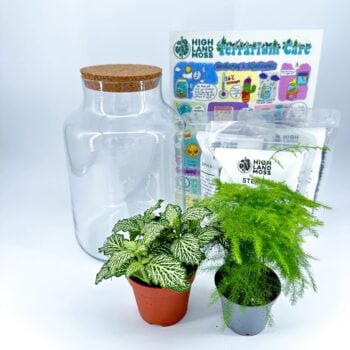
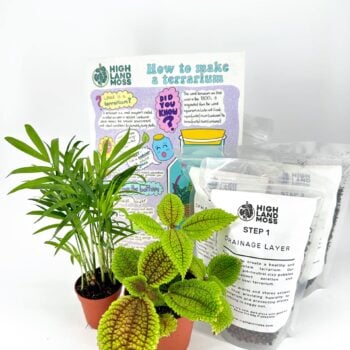
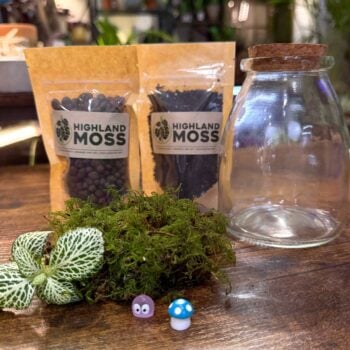
To make it easy, we’ve put together a Terrarium-Friendly Bundle with plants that actually suit terrarium conditions: TERRARIUM-FRIENDLY BUNDLE
Or browse our terrarium plant collection to build your own: TERRARIUM PLANTS COLLECTION