


Overwatering is one of the most common reasons houseplants struggle or die. Too much water can suffocate roots, leading to root rot and unhealthy plants. The good news is that many overwatered plants can be saved if the problem is identified early. In this guide you will learn how to recognise the signs of overwatering, how to rescue an affected plant and how to prevent the problem in the future.
Signs of Overwatering
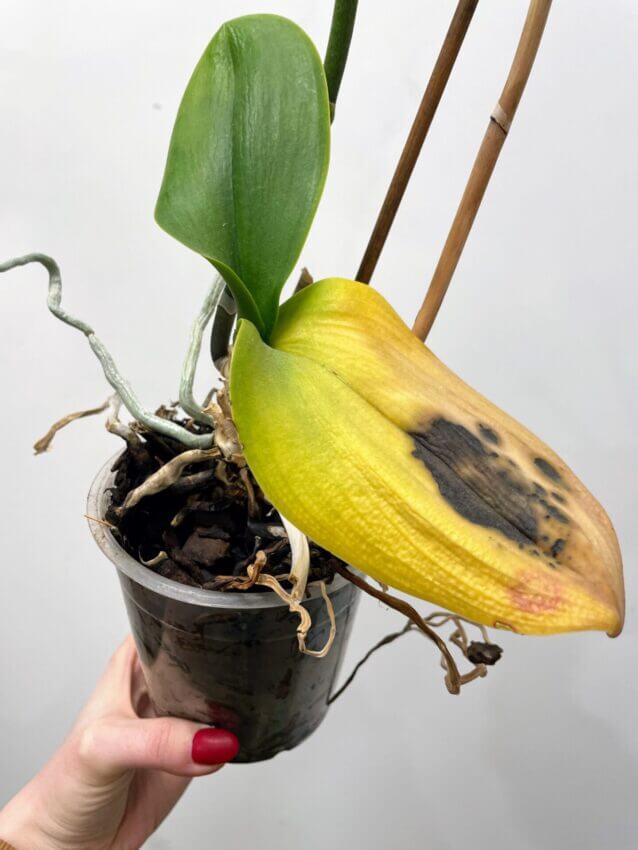
One of the primary indicators of overwatering is root rot, which is difficult to spot until we remove the plant from the pot. When plants sit in waterlogged soil for too long, their roots suffocate, unable to absorb vital nutrients. This leads to a cascade of symptoms, including wilting, yellowing leaves, and a general appearance of thirstiness. But here’s the tricky part: many people misinterpret these signs as a need for more water, watering event more!
When soil is excessively moist for longer period of time, it creates a perfect breeding ground for harmful microorganisms such as bacteria and fungi. These pathogens can then infect the leaves, leading to various symptoms depending on the type of infection.
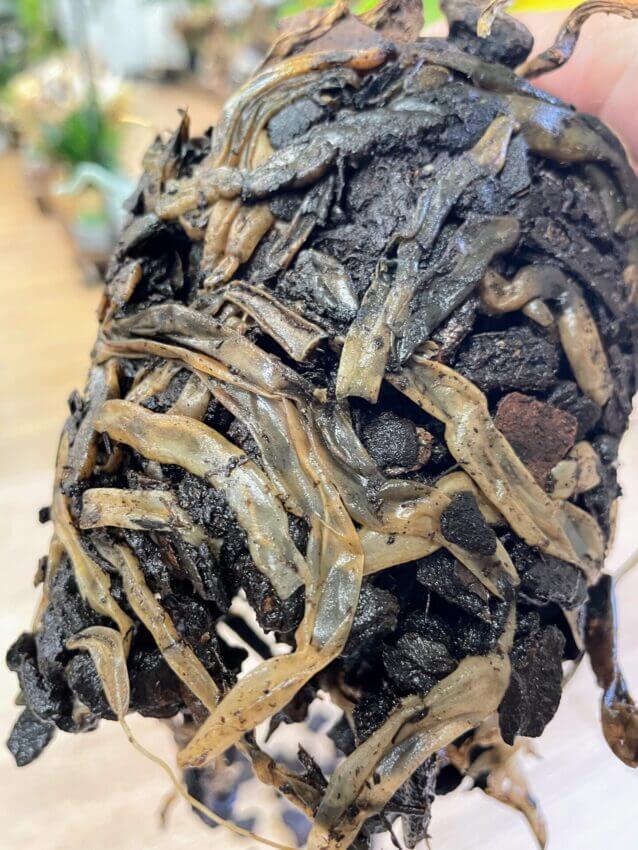
Additionally, constantly overwatered plants are prime targets for fungus gnats. These pesky insects called also Sciarid Flies thrive in moist environments, laying their eggs in the soil where larvae feed on decaying organic matter, including compromised plant roots. If you notice increasing number of those flies, check soil of your plants.
Rooted roots, caused by overwatering look soft and dark compared to the healthy one. Sometimes accompanied by unpleasant smell.
How To Save Overwatered Plants
If you noticed some of the signs and think that your plant is suffering from overwatering, fast action is crucial to save your plant and prevent further damages. If the overwatering is slight and recent, simply stop watering immediately. Allow the soil to dry out partially or completely (check plants care guides for watering information) before considering watering again. However, if there’s a risk of root damage due to prolonged saturation, more drastic measures may be necessary. Here are my favourite tricks to save overwater plants:
Dried out the soil: To help with moisture absorption, some gardeners insert highly absorbent materials like cloth, paper kitchen towels, sponges or even a clean tampon into the soil. These materials help wick away excess moisture, preventing root rot.
Unpotting and drying out: If the soil is wet and you would like to speed up the process of drying, gently unpot the plant and carefully remove as much wet soil as possible from around the roots. Allow the plant to air dry for a few hours, or overnight, in a warm and well-ventilated area. This will help excess moisture evaporate from the roots and soil.
Aeration tubes: Insert narrow tubes or straws into the soil to create channels for air to circulate. This can help improve soil aeration and prevent suffocation of the roots.
Repotting the plant: if the soil is excessively waterlogged and beyond saving, repot the plant using fresh, well-draining soil suitable for the plants needs. If using the same pot clean with hot water and disinfect if necessary.
Inspect roots: Remove any mushy, brown sections of roots. Make sure to use gloves or was hands while handing infected parts of the roots. Clen your tools to prevent spreading infection of rot.
Be patient: Repot plant into the fresh soil or let it dries out naturally but never try to speed up the process by leavening the plant in a very hot spot, on the top of heater or in a full sun. It will only cause more damage.
Preventing Overwatering
Prevention is always better and easier than cure when it comes to overwatering. Here are some of out favourite tips to keep your plants happy and hydrated without drowning them:
- Moisture Monitoring: If you are not experienced enough to judge if the plant needs water by just observing the plant, invest in a moisture meter to accurately check the soil’s moisture level. This simple tool helps prevent overwatering accidents.
- Choose the Right Soil: Use well-draining soil specifically formulated for your houseplant. Avoid using generic compost from garden centres, as it often lacks proper aeration and water circulation properties, leading to waterlogged soil and unhappy plants.
- Use Drainage Pots: Always plant your plants in pots with drainage holes. This allows excess water to escape, reducing the risk of waterlogged soil.
- Consider Pot Material: Certain plants, such as succulents, cacti, and, Christmas cactus or hoyas, prefer to be on the drier side. Planting them in porous terracotta pots can help absorb excess moisture and prevent overwatering.
- Raising the Pot: Elevate the plant’s pot slightly by placing it on a saucer, small blocks or even couple or larger pebbles helps to improve airflow around the roots. This can help prevent water from accumulating at the bottom of the pot.
- Learn About Plants Needs: Every plant is different and needs different amount of water, by learning about them you will keep wet soil like carnivorous happy and protect plants like Hoya and Sedum from overwatering by limiting their amount of water. If you are not sure about plant care check plants care guides on our website or ask the MossBot tool for instant advice related to a plants care.
- Bin Your Watering Schedule: Watering plant on a schedule works only in a environment where temperatures, humidity and level of light stays the same for 365 days a year. Most households don’t have a controlled environment hence watering on a specific day of the week or every X days won’t work as the temperatures change. Your Monstera may be happy with watering every 5 days during the summer but in winter it will kill the plant. Always adjust watering based on the season and check if the soil dried out enough for the specific plant before adding more water.
By implementing these simple preventative measures and promptly addressing signs of overwatering, you can keep your plants thriving and disease-free.
While in our Aberdeen shop it is easier to check if customers knows everything they need about their new plants, online customers might feel somewhat isolated. This is why we publish plants care guides on our website and provide the MossBot tool for instant advice. MossBot will answer all your questions about all our plants, their care and more. We listen to your feedback and regularly post articles and blogs answering the most common questions and topics which our customers find interesting. Understanding plants needs plays a critical role in plant care, so always take the time to peruse plant care guides. A 5 minute read can save you a lot of time further down the road.,
Frequently Asked Questions About Overwatered Plants
Can an overwatered plant recover?
Yes, many overwatered plants can recover if the problem is caught early. The key is allowing the soil to dry out slightly, improving drainage, and removing any damaged roots if root rot has developed. With the right care, many plants will begin producing healthy new growth again.
How do you know if a plant is overwatered?
Common signs of overwatering include yellowing leaves, soft or mushy stems, drooping leaves even when the soil is wet, and a sour smell coming from the soil. You may also notice fungus gnats appearing around the pot.
Should you repot an overwatered plant?
If the soil stays soggy or smells unpleasant, repotting can help. Removing the plant from the pot allows you to check the roots and trim any that are black or mushy. Repotting into fresh, well-draining soil can help the plant recover faster.
How long does it take a plant to recover from overwatering?
Recovery time depends on how severe the damage is. Mild overwatering may take a few days to correct once watering is adjusted. If root rot has developed, recovery may take several weeks while the plant grows new healthy roots.
Can overwatering cause fungus gnats?
Yes. Fungus gnats are attracted to damp soil. When soil stays wet for long periods, it creates the perfect environment for fungus gnat larvae to develop. Allowing the top layer of soil to dry slightly between watering can help prevent infestations.
Can overwatered plants recover without repotting?
Yes, if the overwatering is mild, plants can often recover without repotting. The most important step is to stop watering until the top layer of soil dries out. Improving drainage and ensuring the pot has proper drainage holes can also help the plant recover. Repotting is usually only necessary if the soil stays soggy or root rot has developed.
Does overwatering cause root rot?
Yes, overwatering is one of the main causes of root rot. When soil stays constantly wet, the roots cannot get enough oxygen and begin to decay. Root rot often appears as black or mushy roots and can cause yellowing leaves, drooping stems and slow growth. Preventing overwatering and using well draining soil can help avoid this problem.
Conclusion
Overwatering can threat your beloved plants health and life, causing root rot, fungal and bacterial leaf infection, fungus gnat and a host of other issues. However, with a keen eye for first signs of the issue, a commitment to proper watering practices, you can not only avoid this problem but also understand how to fix it and save your plants.
For more plant care information visit plants care guides on our website and use the MossBot tool for instant advice. MossBot will answer all your questions about all our plants, their care and more. We listen to your feedback and regularly post articles and blogs answering the most common questions and topics which our customers find interesting.
Hi Highland Moss – you don’t mention using the automatic’ water dispensers (the ones that look like glass balls that you leave inserted in the plant pot and refill when empty). I’ve had a lot of success using these – is there a reason I should not use these though?
Hi, Thank you so much for reading our article and for your comment. You are absolutely right, the water dispensers are great and we even sell them ourselves. However, you do still have to watch that you do not overwater a plant when using these, as there will be a constant level of moisture in the soil.
The watering devices are really useful if you will be away from your plants for some time such as a holiday, working offshore etc. We still think you have the most control and best success overall by checking plants individually and watering as required.
I hope this helps! Craig