


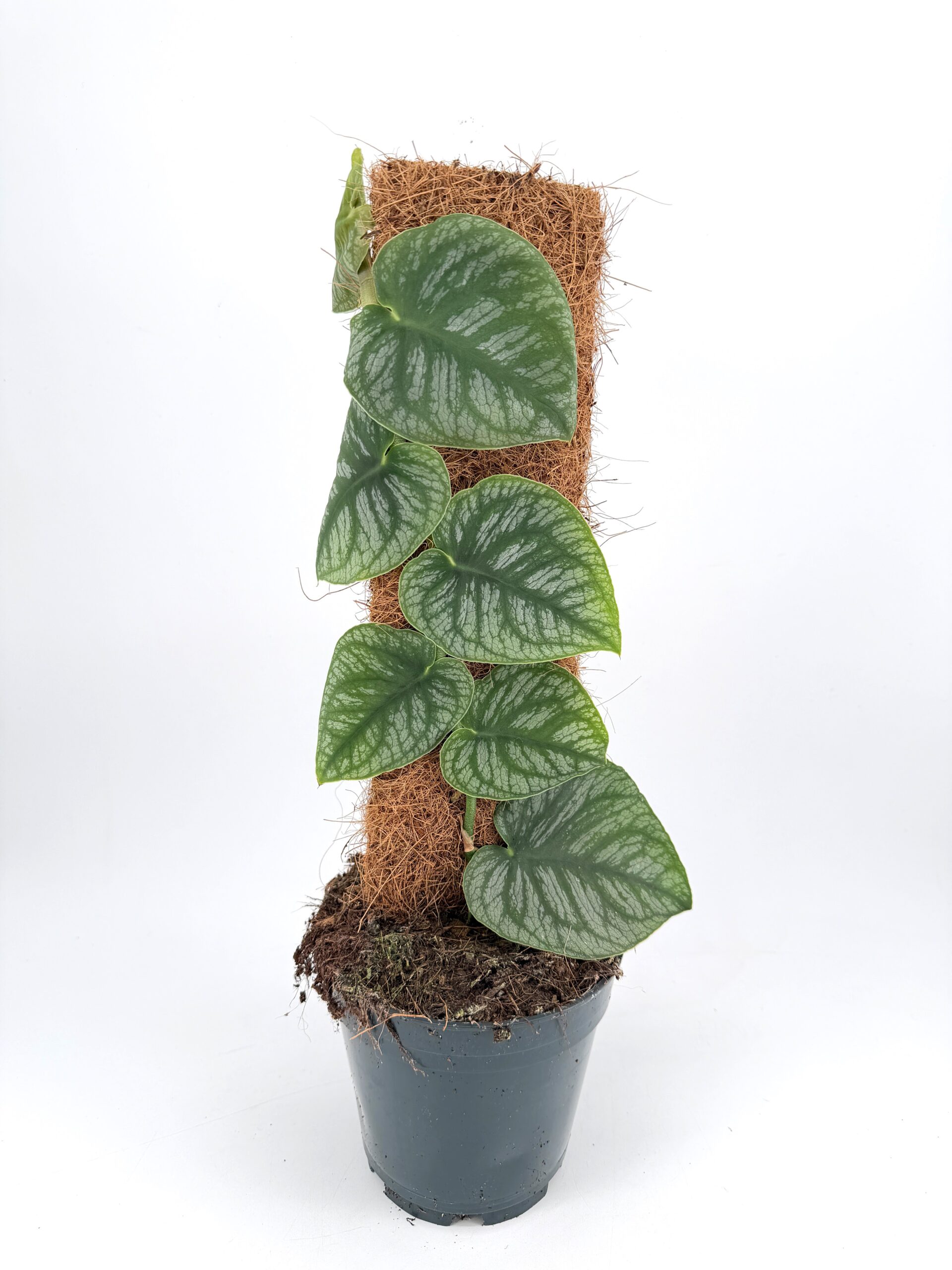
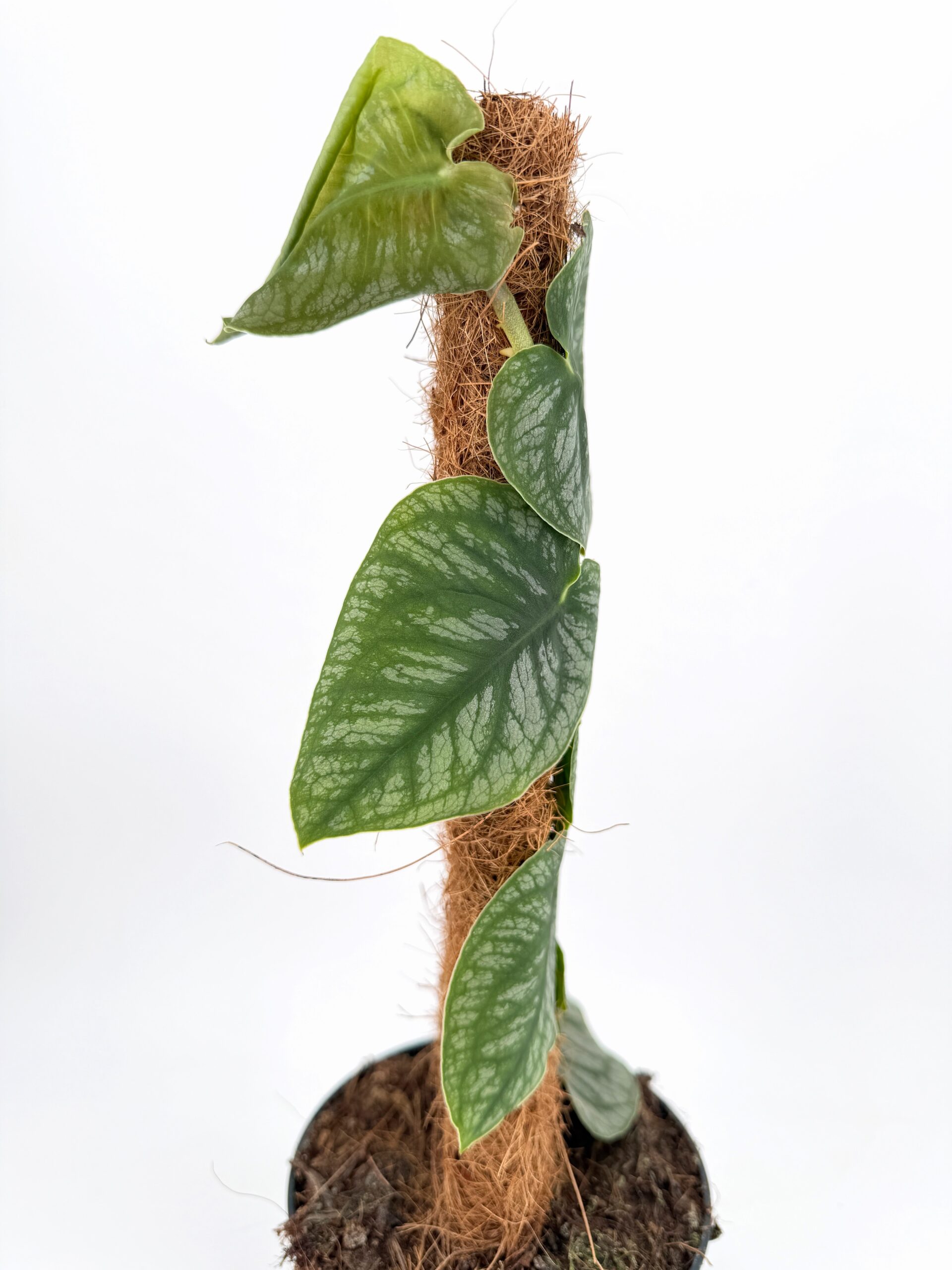
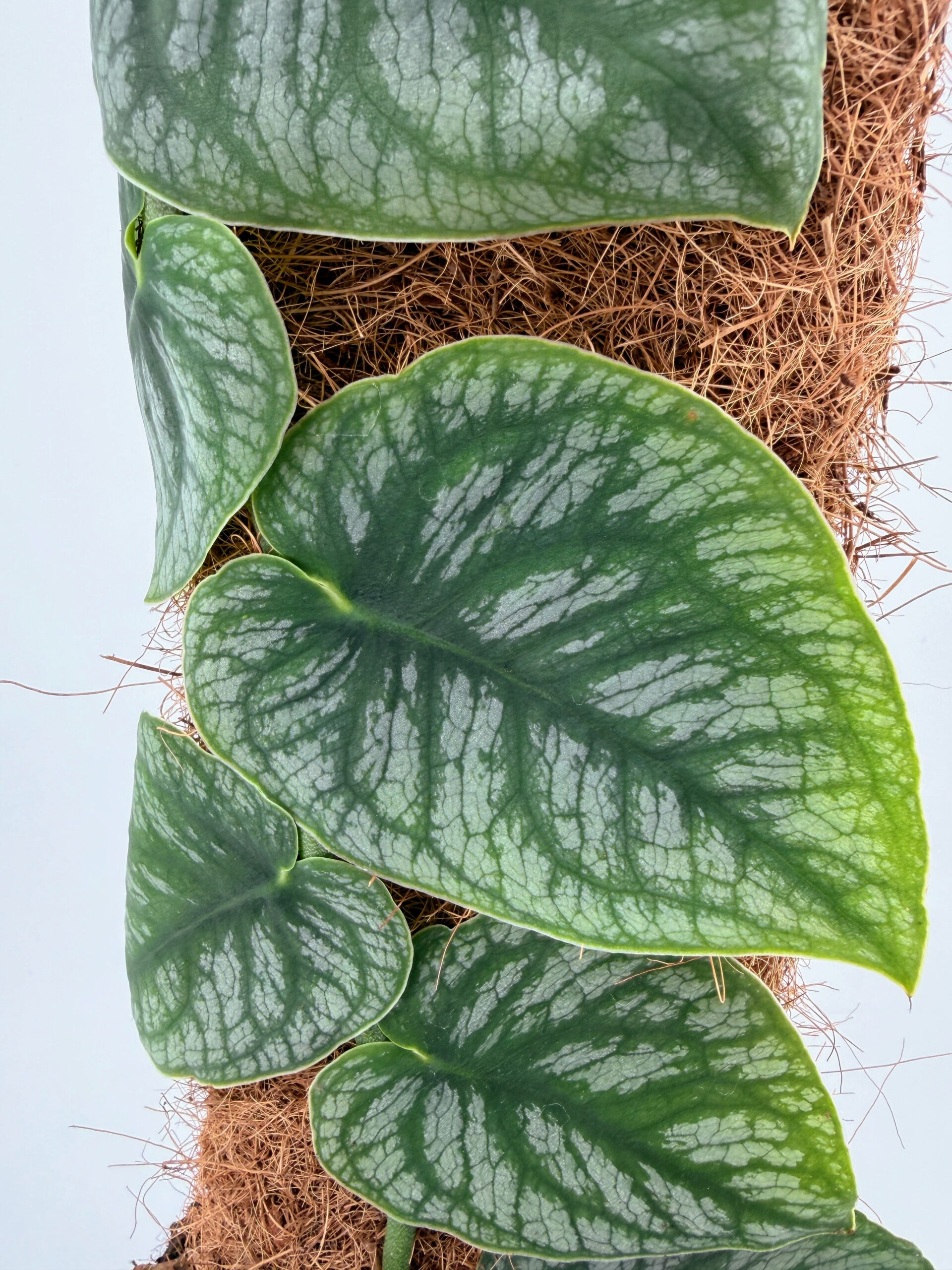
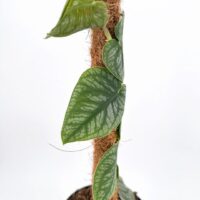
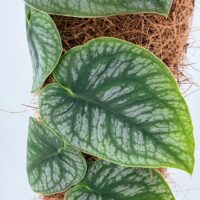
Monstera Dubia Shingle Plant
£33.00
New!
Choose your delivery date at checkout
*orders with houseplants will be sent on the next available shipping date.


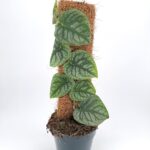
Monstera Dubia Shingle Plant
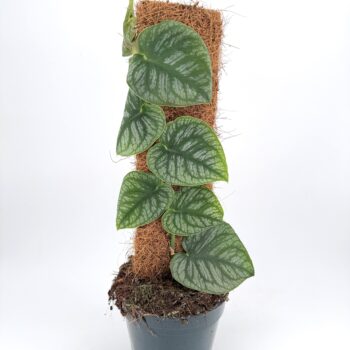
Monstera dubia is a fascinating climbing aroid often called the Shingle Plant due to the way its leaves naturally lie flat against surfaces as it grows. In the wild it climbs tree trunks in Central and South American rainforests, using its roots to attach tightly to bark.
When grown indoors on a moss pole or board, the plant recreates this natural behaviour. The juvenile leaves are heart shaped with beautiful silver variegated patterning and sit flush against the support, creating a very unusual and decorative display unlike typical trailing houseplants.
It is fast growing, easy to propagate and suitable for beginners once given bright indirect light and consistent moisture. As the plant matures and climbs higher, the foliage becomes larger and more dramatic.
This species thrives in higher humidity and is especially suitable for terrariums, vivariums or grouped tropical plant displays. Providing a moss pole helps maintain humidity and encourages healthy growth.
Each plant is unique and minor cosmetic marks on leaves can occur during growing and transport. This does not affect the health of the plant.
All Highland Moss plants include a scannable QR code linking to care guides. Plants are shipped in nursery pots using reused and recyclable packaging materials. Decorative pots sold separately.
Why you will love it
• Unusual shingling climbing growth
• Silver patterned foliage
• Fast growing aroid
• Perfect for moss poles
Quick Care Guide
☀️ Light: Bright indirect light
💧 Water: Keep soil lightly moist, not soggy
💦 Humidity: High humidity preferred
🌱 Tip: Attach to a sphagnum moss pole to encourage climbing and larger leaves
See our shop to find our handmade moss poles that will go great with your Monstera!
We’re still working on the most helpful FAQs for this product. Please check back soon or get in touch if you have any questions!
We’re still working on the care guide for this product. Please check back soon!
The Ultimate Care Guide for Monstera Plants: Iconic and Easy to Grow
Introduction and History Monstera plants, often called Swiss cheese plants due to their iconic fenestrated leaves, are native to the tropical rainforests of Central and South America. Monstera deliciosa was formally described in 1849 by Danish botanist Frederik Michael Liebmann during his exploration of Mexico. Monstera adansonii, another popular variety, was described in 1830 by Austrian botanist Heinrich Wilhelm Schott. Monstera obliqua and Monstera Peru are other notable species, though information about their first discovery is less detailed in botanical records.
In addition to naturally occurring species, certain cultivars have been developed:
- Monstera ‘Thai Constellation’: This variegated cultivar of Monstera deliciosa was created through tissue culture propagation techniques in Thailand, producing its signature creamy-white marbled patterns.
- Monstera ‘Albo Variegata’: A naturally occurring mutation of Monstera deliciosa with striking white variegation, propagated through cuttings as its variegation is not stable for tissue culture.
These discoveries and innovations have solidified Monsteras as some of the most beloved houseplants worldwide.
Description and Features Monstera plants are vining aroids with large, glossy leaves that often develop unique splits and holes as they mature. These fenestrations allow light to pass through to lower parts of the plant in their natural jungle habitat. Popular species and varieties include:
- Monstera deliciosa: Known for its massive leaves with striking fenestrations.
- Monstera adansonii: Smaller, more delicate leaves with oval holes throughout.
- Monstera obliqua: Rare and prized for its extreme leaf perforations.
- Monstera Peru (Monstera karstenianum): Features thick, leathery leaves with a textured surface.
- Monstera ‘Thai Constellation’: A variegated cultivar with creamy-white marbling.
- Monstera ‘Albo Variegata’: Recognisable by its bold white variegation.
Key Features
- Pet-friendliness: Monstera plants are toxic to pets if ingested, so caution is advised in homes with animals.
- Low-light tolerance: While they prefer bright, indirect light, they can adapt to lower light conditions.
- Moderate water needs: Monstera plants are forgiving if you occasionally forget to water them.
- Air-purifying qualities: Known to filter toxins and improve indoor air quality.
- Growth habit: Monstera plants are fast-growing, making them ideal for creating a lush indoor jungle.
Care Instructions
1. Watering
- How much water does a Monstera need? Water when the top 2-5 cm of soil feels dry. Overwatering can lead to root rot, while underwatering may cause drooping leaves.
- Signs of overwatering: Yellowing leaves, soggy soil, and a musty smell.
- What to do if you overwater your Monstera: Allow the soil to dry completely and reduce watering frequency. Remove the plant from soggy soil and trim away rotted roots if necessary.
- Underwatering signs: Wilting or crispy edges on leaves. Water deeply and consistently to revive.
2. Light Requirements
Monsteras thrive in bright, indirect light but can adapt to lower light conditions. Avoid direct sunlight, which can scorch their leaves. If you’re searching for “can Monstera plants survive in low light,” the answer is yes, but their growth may slow.
3. Humidity and Temperature
- Humidity: Monsteras love high humidity levels, making them ideal for bathrooms or humidifiers. However, they also adapt well to average household humidity.
- Temperature: Keep between 18-27°C. Avoid placing near cold drafts or heating vents.
4. Plant Food
Feed your Monstera with a balanced liquid fertiliser every 2-4 weeks during the growing season (spring and summer). Reduce feeding in autumn and winter. If wondering “how to fertilise a Monstera plant,” ensure the soil is slightly moist before applying fertiliser to prevent root burn.
5. Pruning and Support
- Prune regularly to remove yellowing or damaged leaves and to shape the plant.
- Support growth with a moss pole or trellis to mimic its natural climbing habit. Monstera plants thrive when given something to climb, as this encourages larger leaves and fenestrations.
6. Moss Pole and Drip Cup Benefits
Monsteras benefit significantly from being trained to climb on a moss pole, as this mimics their natural growth habit and promotes larger, healthier leaves with more fenestrations. Our shop, Highland Moss, offers handmade sphagnum moss poles in classic green, mixed, and pink colours. These poles provide excellent support and retain moisture, which is essential for the plant’s aerial roots.
To make watering easier, we also offer drip cups designed to keep moss poles evenly hydrated, ensuring your Monstera thrives.
Common Issues and Troubleshooting
1. Yellow Leaves
- Cause: Overwatering, lack of light, or nutrient deficiencies.
- Solution:
- Adjust watering habits and ensure the soil drains well.
- Move the plant to a brighter spot.
- Feed with a balanced fertiliser if the issue persists.
2. Brown Leaf Tips
- Cause: Low humidity or underwatering.
- Solution: Increase humidity by misting the leaves or using a humidifier. Water more consistently.
3. Leaves Not Splitting
- Cause: Insufficient light or a young plant.
- Solution: Ensure the plant receives bright, indirect light and provide a moss pole for climbing.
4. Pests
- Cause: Spider mites, mealybugs, or scale insects.
- Solution: Treat with neem oil or an eco-friendly pest spray, both available on our website. Wipe leaves regularly to prevent infestations.
5. Root Rot
- Cause: Overwatering or compacted soil.
- Solution: Repot with fresh, well-draining soil and trim away rotted roots. Use a pot with drainage holes.
Propagation Methods
1. Stem Cuttings
- Cut just below a node. The node is essential for root development.
- Place the cutting in water using a propagation station or directly into moist sphagnum moss.
- Change water weekly or mist moss regularly. Roots will develop within weeks.
2. Division
- Separate clumps with their own root systems when repotting.
- Replant in fresh soil and water lightly to settle.
3. Air Layering
- Wrap a node with moist sphagnum moss and secure with plastic wrap.
- Once roots develop, cut below the rooted node and pot into soil.
Sphagnum moss and stunning propagation stations to propagate Monstera plants are available in our shop Highland Moss, ensuring successful and hassle-free propagation.
Is a Monstera Plant Right for You? Monstera plants are excellent for:
- Beginners: Their forgiving nature makes them ideal for plant novices.
- Statement pieces: With their large, dramatic leaves, Monsteras become a focal point in any room.
- Air purification: Great for improving indoor air quality.
With proper care, Monstera plants can thrive and become a stunning feature in your home. Whether you’re searching for “how to care for Monstera deliciosa” or need propagation tips, this guide has everything you need. Remember, all plants purchased from Highland Moss come with a scannable QR code for detailed care instructions and access to our Moss Bot for 24/7 plant care support.

Free Care Guide With Every Purchase
Scan the plant pot QR for instant access to our care guide for your plant. No hassle, no stress, just healthy and happy plants.
4 reviews for Monstera Dubia Shingle Plant
| 5 star | 100% | |
| 4 star | 0% | |
| 3 star | 0% | |
| 2 star | 0% | |
| 1 star | 0% |
 Monstera Dubia Shingle Plant
-

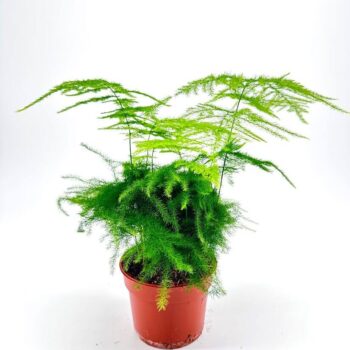
Asparagus Setaceus Plumosus Asparagus Fern
From: £6.00Select options This product has multiple variants. The options may be chosen on the product page -
-
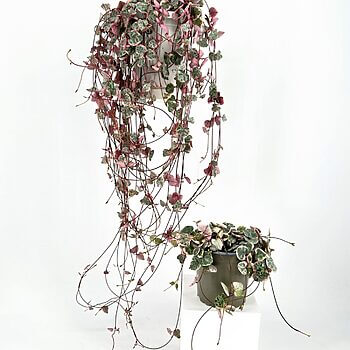
Variegated String Of Hearts Ceropegia Woodii
£30.00Select options This product has multiple variants. The options may be chosen on the product page
-
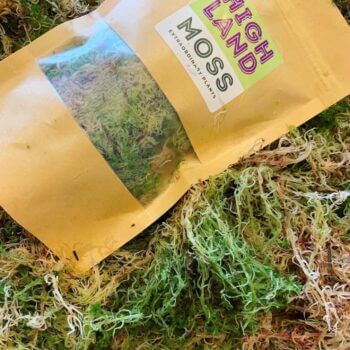
Fresh Premium Sphagnum Moss In Classic Green/Brown
From: £4.00Select options This product has multiple variants. The options may be chosen on the product page
We’re a small family business with a big love for plants.
From our base in Aberdeen, we pack every order with care and love. Our small size means we can be flexible with special requests, and we’re always happy to help. We reuse packaging, craft our own eco-friendly products, and offer friendly advice whenever you need it.


Excellent plant, but delivery company damaged package heavily luckily plant fine
Although said on package handle with care delivery company didn’t care at all
Great unusual plant.
Love my Dubia – just waiting impatiently for her new leaf to unfurl.