Light
DirectIndirectMediumLow
Bright indirect
Close to a bright window but out of direct sun. A metre back, or behind a sheer curtain, is about right.

Assorted Tillandsia Air Plant – Medium


Useful extras
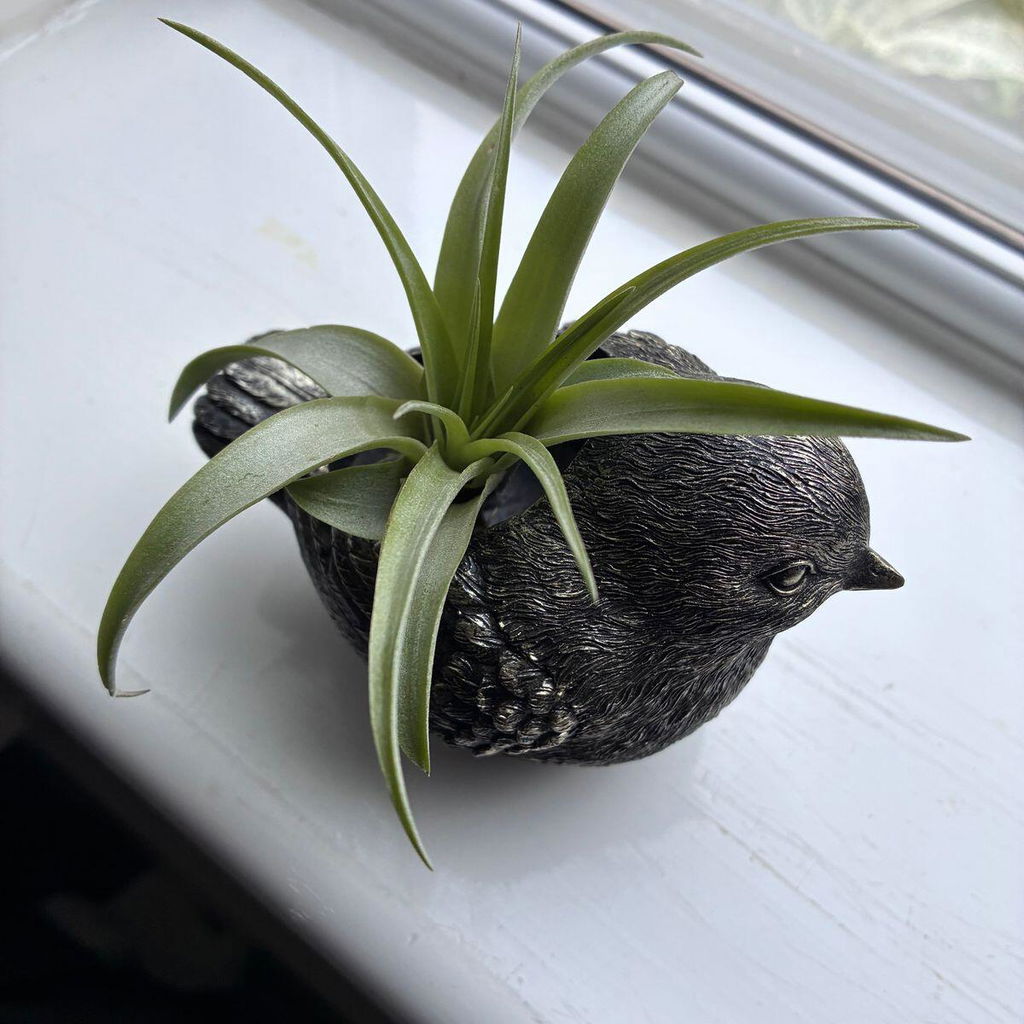
A wonderfully sculptural plant without a pot of soil. Our assorted Tillandsia air plants have their own natural forms, from slender, curling leaves to neat rosettes.
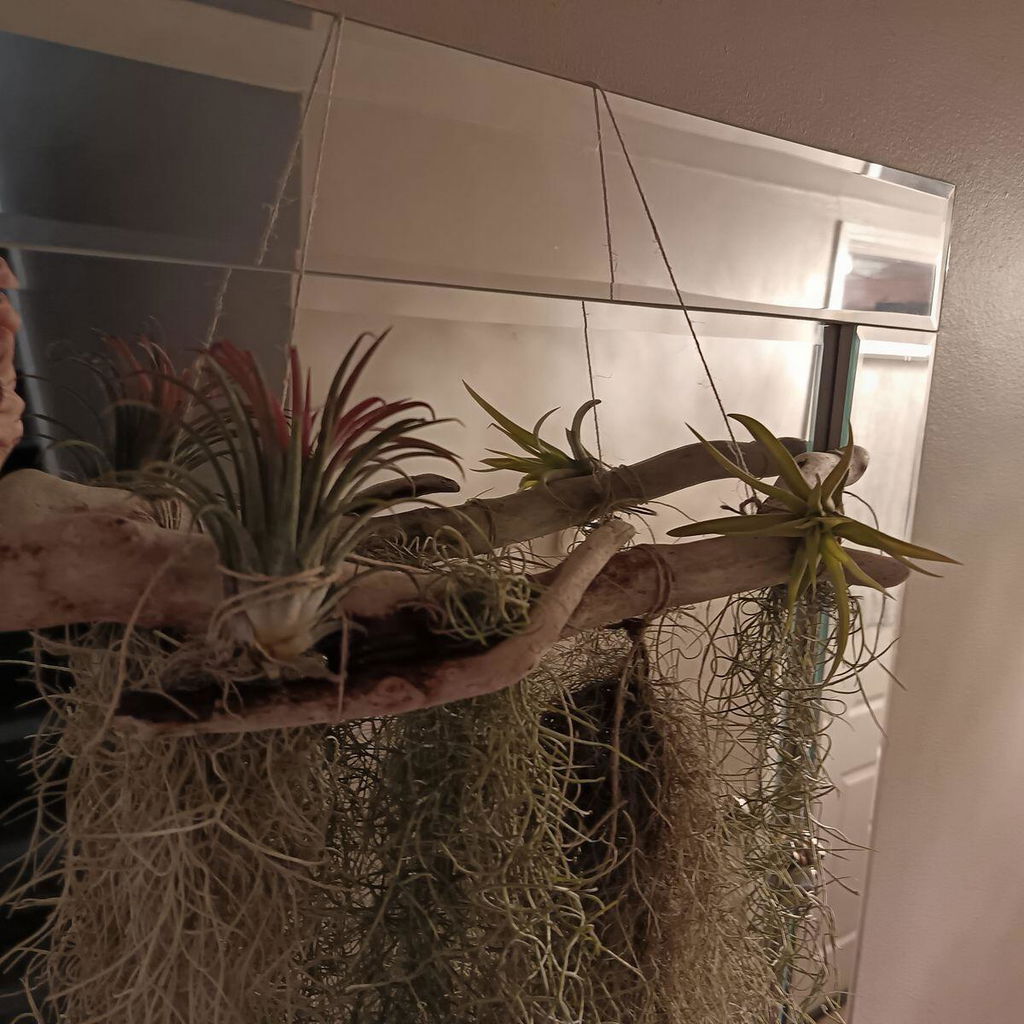
Try one on a piece of driftwood, in an open glass display or as part of an airy botanical arrangement.
Give bright, filtered light and regular watering appropriate to your room. Let the entire plant dry thoroughly after watering rather than leaving water trapped between the leaves.
Before you order: One plant is selected from our available assortment. Species, shape and size vary; the original listing gives an approximate 5–20cm range. Decorative shell or sea urchin is not included.
Our site proudly features original artwork by Tash Falconer, Mel Parker & Hannah Paje.
The things everyone asks, answered upfront rather than buried in a description.
Most small Tillandsia Air Plants live without soil, absorbing water through the leaves while growing on open supports. They need bright diffused light, regular soaking and thorough drying with good airflow. The potted Pink Quill is not included in this group.
Everything you would ask us in the shop, at a glance.
LightClose to a bright window but out of direct sun. A metre back, or behind a sheer curtain, is about right.
 Water
Air Plants take in moisture through their leaves rather than soil. In the growing season, immerse in rainwater roughly twice a week (more often in hot, dry rooms), then shake out water and place upside down or on their side until completely dry. Never leave water trapped in the centre.
 Care level
Air Plants need no compost, but they do need routine watering and thorough drying afterwards. Display them in open air rather than closed, damp containers. They may form offsets after flowering.
 Humidity
Tillandsias appreciate moderate humidity, but moving air is essential. Dry central heating increases watering needs; constant dampness without airflow encourages rot.
 Temperature
Fine in any normally heated room. Move it off cold windowsills on frosty nights.
 Growth habit
Tillandsias make rosettes or curved clusters of leaves rather than growing like rooted houseplant vines. Individual shapes vary, from tight Ionantha rosettes to the curling, bulbous form of T. bulbosa. Mature plants can produce offsets around the parent.
The UK Veterinary Poisons Information Service lists Tillandsia species as pet-safe plants. The leaves are not treats, and glass, wire, hooks, glue or decorative attachments may present separate hazards. Keep loose plants and displays away from curious mouths.

Scan the plant pot QR for instant access to our care guide for your plant. No hassle, no stress, just healthy and happy plants.
I had ordered several air plants from elsewhere before finding Highland Moss. The tillandsia from Highland Moss is by far the best air plant I have bought, both for size and quality!
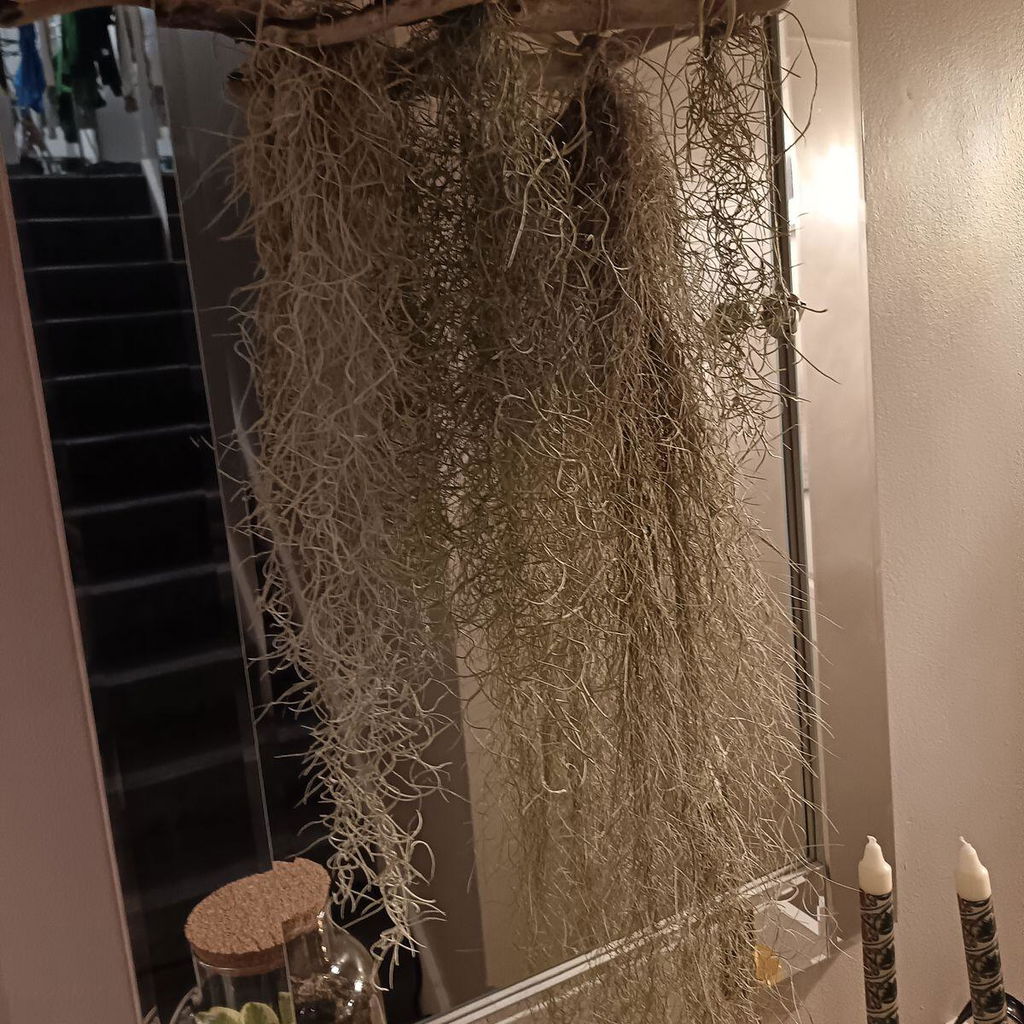
Excellent quality plants. The driftwood and string were mine.
Very strong air plants lovely colour
Small gift to my daughter
Much bigger specimen than expected, which was an added bonus!
Should have ordered more
Small family business
From our base in Aberdeen, we pack and post every order ourselves. Being small and independent means we know the products we sell, we can be flexible with special requests, and there is always a real person on the other end when you need care advice.
 We'd love to welcome you to your new happy place.